

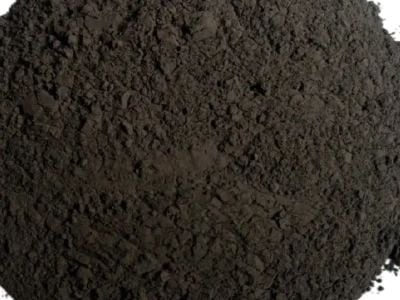
Improving friction material performance with specialized friction powder can significantly enhance the effectiveness of various applications, particularly in the automotive and manufacturing industries. Buyers often seek solutions that not only meet performance specifications but also align with budgetary constraints and industry standards. This article aims to provide insights into selecting the right friction powder, understanding key factors for performance, addressing common problems, and exploring applications across different sectors
How to Choose the Right Specialized Friction Powder for Your Needs
Selecting the appropriate specialized friction powder requires a comprehensive understanding of your application’s specific requirements. Factors such as the operating environment, expected load, and temperature conditions play crucial roles in determining the right formulation. For instance, automotive brake systems demand powders that can withstand high temperatures while providing reliable stopping power without excessive wear
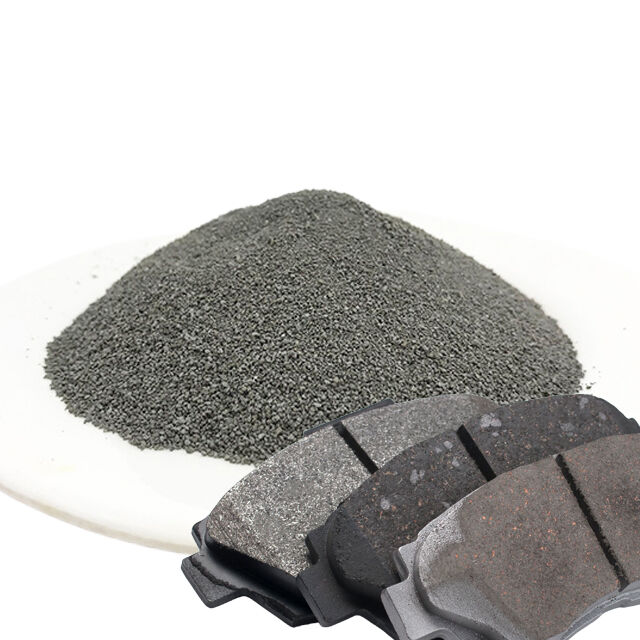
When evaluating different powders, consider their composition, which may include materials such as sponge iron or atomized iron. These materials can be tailored to enhance durability and performance. Additionally, understanding the manufacturing process of the powder, such as atomization methods, can help you assess the consistency and quality of the product, which is vital for applications requiring precise specifications
Key Factors in Friction Powder Selection
Several key factors influence the selection of specialized friction powder
Material Composition: The type of materials used can affect wear resistance, heat dissipation, and overall performance. Powders made from stainless steel or atomized iron offer varying degrees of strength and durability
Granulation and Particle Size: The granulation of the powder impacts its bonding capabilities and performance under pressure. Fine powders may provide better surface contact, while coarser powders might be suitable for specific applications where strength is paramount
Production Consistency: A reliable supplier, like KPT, with ISO 9001 certification, ensures that the powders meet stringent quality standards. Consistency in production leads to predictable performance in your applications
Customization Capabilities: Depending on your specific needs, you may require customized powder formulations. Discussing your requirements with the manufacturer can lead to tailored solutions that enhance performance
Evaluating these factors will enable you to make informed decisions that align with your operational goals
Budgeting for High-Performance Friction Materials
Cost considerations are vital when sourcing specialized friction powders. While it may be tempting to opt for the lowest-priced options, it’s essential to evaluate the total cost of ownership, which includes durability, performance, and potential downtime. High-performance friction materials may come with a higher upfront cost, but their longevity and reduced maintenance needs can result in significant savings over time
When budgeting, consider
Volume Discounts: Larger orders often qualify for discounts, so assess your demand to optimize costs
Quality Assurance: Investing in certified powders can mitigate risks associated with inferior materials, which may lead to increased failure rates and costs
Lifecycle Costs: Analyze how the choice of powder will affect not just initial costs but also long-term performance and maintenance expenses
By taking a comprehensive approach to budgeting, you can ensure that your selection supports both financial and operational objectives
Common Problems in Friction Materials and How Our Powders Solve Them
Friction materials can face several challenges that can compromise their performance. Common issues include
Excessive Wear: Inadequate material hardness or poor formulation can lead to rapid wear, increasing replacement frequency. Specialized friction powders are designed to enhance wear resistance, thereby extending the lifespan of components
Heat Buildup: In applications like braking systems, excessive heat can lead to fading performance. Our powders are formulated to dissipate heat effectively, maintaining performance under demanding conditions
Noise and Vibration: Poorly formulated friction materials can cause noise and vibrations during operation. Advanced formulations can minimize these issues, leading to smoother operation and improved user satisfaction
By addressing these common problems with specialized friction powders, you can enhance the reliability and efficiency of your applications, reducing downtime and maintenance costs
Applications of Specialized Friction Powder in Various Industries
Specialized friction powders are versatile and find applications across several industries
Automotive: In automotive applications, these powders are crucial for brake pads, clutches, and other components requiring high friction and durability. Their ability to withstand extreme temperatures and pressures makes them suitable for high-performance vehicles
Home Appliances: Friction materials in appliances like washing machines and dishwashers benefit from powders that provide reliable performance and longevity, ensuring that components operate efficiently without frequent replacements
Welding: In welding applications, specialized powders can enhance the quality of welds by providing optimal friction properties, ensuring strong and durable joints
Industrial Machinery: Equipment used in manufacturing processes often requires friction materials that can handle heavy loads and resist wear, ensuring the machinery operates smoothly and efficiently
By understanding the specific needs of your industry, you can select the right specialized friction powder to enhance your product performance and reliability
In summary, improving friction material performance with specialized friction powder is not just about selecting a product; it involves a strategic approach that considers material compositions, production consistency, and application suitability. By addressing these factors, you can enhance the efficiency and effectiveness of your operations, leading to improved outcomes in your various applications