

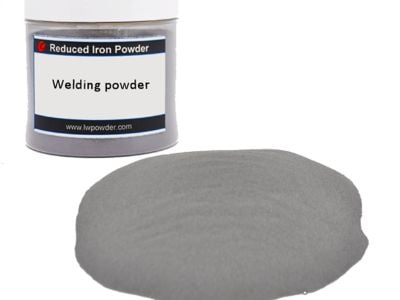
Transforming industrial wastewater treatment with zero valent iron powder is a crucial advancement for businesses seeking effective solutions for managing their wastewater. As a reliable and innovative choice, zero valent iron (ZVI) powder helps address environmental compliance and operational efficiency concerns. This article will provide essential insights into selecting the right ZVI powder, comparing specifications, installation guidance, cost factors, and practical applications, empowering purchasing managers and engineers to make informed decisions.
How to Choose Zero Valent Iron Powder for Effective Wastewater Treatment?
Selecting the appropriate zero valent iron powder for wastewater treatment requires careful consideration of the specific application and environmental conditions. Key factors include particle size, purity, and reactivity.
Particle Size: Smaller particles typically have a larger surface area, enhancing reactivity with contaminants in wastewater. However, the size must also be compatible with the treatment system's operational parameters to avoid clogging and ensure efficient mixing.
Purity: High-purity zero valent iron powder minimizes impurities that could interfere with treatment effectiveness. Buyers should request material safety data sheets (MSDS) and certificates of analysis to confirm product specifications.
Reactivity: The reactivity of ZVI powder is crucial for its effectiveness in reducing contaminants. A product with a higher reactivity will facilitate faster reduction of pollutants, thus improving treatment efficiency.
By evaluating these characteristics and aligning them with project requirements, buyers can ensure the chosen ZVI powder meets the specific needs of their wastewater treatment systems.
Comparing Zero Valent Iron Powder Specifications for Your Projects
When comparing specifications for zero valent iron powder, it is essential to focus on several key attributes that influence performance and application suitability.
| Specification | Importance |
|---|---|
| Chemical Composition | Affects reactivity and effectiveness in reducing contaminants. |
| Moisture Content | High moisture content can reduce shelf life and reactivity; ideally, it should be below 1%. |
| Bulk Density | Impacts material handling and dosing precision; a higher bulk density indicates a more compact powder. |
| Specific Surface Area | Determines the reaction rate with contaminants; higher values indicate greater reactivity. |
Buyers should ensure that the specifications align with the treatment objectives and operational parameters of their facilities. This comparative analysis will help in selecting the right product for efficient wastewater treatment.
Installation Guidance for Zero Valent Iron Powder in Wastewater Systems
Proper installation of zero valent iron powder in wastewater treatment systems is critical to achieving optimal results. Here are important steps to consider:
System Compatibility: Before installation, verify that the existing wastewater treatment system can accommodate ZVI powder. Assess factors such as mixing capabilities and potential impact on downstream processes.
Dosing Mechanism: Implement a precise dosing system to ensure the correct amount of ZVI powder is introduced into the wastewater stream. Accuracy in dosing is essential to maintain treatment efficiency and prevent overuse.
Mixing and Contact Time: Ensure thorough mixing of the ZVI powder with wastewater for effective contaminant reduction. Adequate contact time is crucial for the reaction to occur, so consider the flow rate and residence time within the treatment system.
Monitoring and Adjustment: Continuously monitor the performance of the treatment system to assess the effectiveness of the ZVI powder. Be prepared to make adjustments based on contaminant levels and operational conditions.
By following these guidelines, businesses can maximize the effectiveness of zero valent iron powder coating in their wastewater treatment processes.
Cost Factors to Consider When Sourcing Zero Valent Iron Powder
When sourcing zero valent iron powder, various cost factors come into play that can influence the overall procurement budget:
Material Costs: The price of ZVI powder can vary based on purity, particle size, and supplier. Conducting a market analysis can help identify competitive pricing while ensuring quality.
Transportation Costs: Evaluate shipping options and associated costs, including freight and handling fees. Sourcing from local suppliers can reduce transportation expenses and lead times.
Volume Discounts: Consider bulk purchasing to take advantage of volume discounts. Establishing a long-term relationship with a supplier may also yield better pricing and favorable terms.
Quality Assurance: Investing in high-quality ZVI powder may involve a higher upfront cost but can lead to significant savings in operational efficiency and reduced maintenance in the long run.
Buyers should carefully analyze these cost factors to develop a comprehensive budget that aligns with their wastewater treatment goals.
Applications of Zero Valent Iron Powder in Industrial Wastewater Systems
Zero valent iron powder has a wide range of applications in industrial wastewater treatment, particularly for the removal of heavy metals and organic contaminants. Key applications include:
Heavy Metal Reduction: ZVI powder is effective in reducing toxic metals like chromium, lead, and arsenic through chemical reduction processes. Its ability to transform these metals into less harmful forms makes it a valuable tool in wastewater management.
Organic Contaminant Treatment: The powder can also facilitate the degradation of organic pollutants, such as chlorinated solvents and pesticides, through reductive dechlorination processes. This application supports compliance with environmental regulations.
Groundwater Remediation: In addition to treating wastewater, zero valent iron powder is utilized in groundwater remediation projects to address contamination from industrial activities. Its efficacy in in-situ treatment makes it a preferred choice for environmental cleanup.
By understanding these applications, businesses can effectively integrate zero valent atomized iron powder into their wastewater treatment strategies, ensuring compliance with environmental standards and improving overall operational efficiency.
Table of Contents
- How to Choose Zero Valent Iron Powder for Effective Wastewater Treatment?
- Comparing Zero Valent Iron Powder Specifications for Your Projects
- Installation Guidance for Zero Valent Iron Powder in Wastewater Systems
- Cost Factors to Consider When Sourcing Zero Valent Iron Powder
- Applications of Zero Valent Iron Powder in Industrial Wastewater Systems