

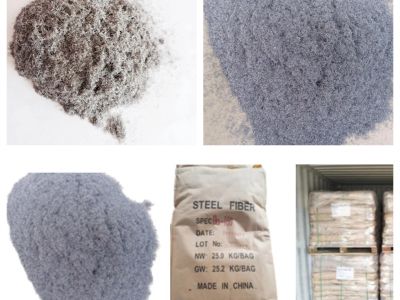
Enhancing Concrete Durability in Harsh Environments Using Steel Fiber Reinforcement is a vital consideration for construction projects facing extreme conditions. B2B buyers, including purchasing managers, engineers, and contractors, often seek solutions that ensure longevity and reliability in their concrete applications. This article will guide you through the benefits of steel fiber reinforcement, key specifications to consider, essential factors for selection, installation guidance, and common issues in concrete durability, along with how steel fibers can address these challenges.
Steel Fiber Reinforcement Benefits
Steel fiber reinforcement (SFR) significantly enhances the mechanical properties and durability of concrete, making it an ideal choice for harsh environments. The incorporation of steel fibers improves crack resistance, impact strength, and tensile strength, which are crucial for structures exposed to extreme weather conditions, heavy loads, or aggressive chemicals.
One notable benefit of SFR is its ability to reduce shrinkage cracking, which is a common issue in concrete structures. By distributing stress more evenly throughout the concrete matrix, steel fibre help maintain structural integrity over time, ultimately reducing maintenance costs and extending the lifespan of the concrete. Additionally, SFR can improve fatigue resistance, making it suitable for applications such as industrial flooring, highways, and precast elements.
Key Specifications for Steel Fiber Reinforcement in Concrete Applications
When considering steel fiber reinforcement for concrete applications, several key specifications should be evaluated:
Fiber Length and Diameter: The length and diameter of the steel fibers influence their effectiveness in reinforcing concrete. Common lengths range from 30 mm to 60 mm, while diameters can vary from 0.2 mm to 1.0 mm. Longer fibers offer better crack control, while shorter fibers may improve workability.
Aspect Ratio: This is the ratio of fiber length to diameter. An aspect ratio between 30:1 and 80:1 is typically recommended for optimal performance, balancing flexibility and reinforcement efficiency.
Tensile Strength: The tensile strength of the steel fibers should be confirmed, as higher strength fibers can significantly enhance the overall strength of the concrete mix.
Material Composition: The composition of the fibers whether carbon steel, stainless steel, or other alloys can impact corrosion resistance and durability in specific environments. For instance, stainless steel fiber types are suitable for applications in marine or chemical environments.
Volume Fraction: The proportion of steel fibers in the concrete mix should be carefully calculated, usually ranging from 0.5% to 2% by volume, depending on the intended application and performance requirements.
These specifications should be aligned with the intended use and environmental conditions of the concrete structure to ensure optimal performance.
What to Look for in Steel Fibers for Concrete?
When selecting steel fibers for concrete reinforcement, buyers should consider several critical factors:
Quality and Consistency: Ensure that the fibers are produced to high-quality standards, such as ISO 9001 certification, to guarantee uniformity and performance. Inconsistent fibers can lead to unpredictable reinforcement results.
Corrosion Resistance: Depending on the application, features such as galvanization or stainless steel options should be considered to prevent corrosion, especially in environments with high moisture or chemical exposure.
Compatibility with Concrete Mix: Steel fibers should be compatible with the specific concrete mix design. Some fibers may require adjustments to the mix to maintain workability and achieve desired performance characteristics.
Supplier Expertise: Choose a supplier with extensive manufacturing experience and expertise in steel fiber production. Their knowledge can help guide you in selecting the right type and specifications for your project.
Cost-Effectiveness: Consider the total cost of ownership, which includes not only the initial purchase price but also factors like installation, maintenance, and expected lifespan of the structure.
Installation Guidance for Steel Fiber Reinforced Concrete Structures
Proper installation is essential for maximizing the benefits of steel fiber reinforcement in concrete structures. Here are several key guidelines:
Mixing Process: Steel fibers should be added during the mixing process of the concrete to ensure even distribution. This can be done either pre-mixed in a batch plant or during site mixing. Care should be taken to avoid clumping.
Concrete Placement: When pouring the concrete, ensure that the mix is placed and vibrated properly to eliminate air pockets, which can compromise the performance of the steel fibers.
Curing Practices: Adequate curing is necessary to achieve optimal strength and durability. Follow recommended curing techniques to prevent rapid moisture loss, which can lead to cracking.
Testing: Before full-scale application, conducting trial mixes and tests can provide valuable insights into the performance of the concrete with steel fibers. This allows for adjustments to be made if necessary.
Follow Manufacturer Guidelines: Always adhere to the specific instructions provided by the steel fiber manufacturer regarding usage rates and installation techniques. This ensures compliance with best practices and achieves the intended performance outcomes.
Common Problems in Concrete Durability and Steel Fiber Solutions
Concrete structures often face several durability challenges, particularly in harsh environments. Key issues include:
Cracking: Shrinkage cracking due to temperature fluctuations or drying can be mitigated through the use of steel fiber reinforcement, which helps distribute tensile stresses more evenly.
Erosion and Wear: Structures exposed to heavy traffic or abrasive materials may experience surface wear. Steel fibers enhance the wear resistance of the concrete, prolonging its service life.
Chemical Attack: In environments where concrete is exposed to aggressive chemicals, the use of corrosion-resistant steel fibers can significantly enhance durability and reduce the risk of structural failure.
Fatigue Failure: Repeated loading can lead to fatigue failure in concrete. Steel fiber reinforcement improves the fatigue resistance of concrete, making it suitable for high-traffic areas or industrial applications.
In summary, incorporating steel fiber reinforcement into concrete mixes provides a robust solution to common durability problems, ensuring structures remain sound and functional even in challenging conditions. By understanding these challenges and the solutions offered by steel fibers, B2B buyers can make informed decisions that enhance the longevity of their concrete applications.