

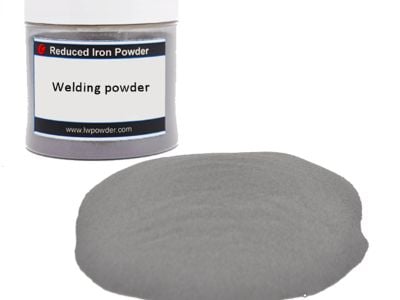
Carbonyl iron powder (CIP) plays a critical role in high-frequency electromagnetic interference (EMI) shielding, crucial for maintaining signal integrity in sensitive electronic applications. Understanding its specifications and sourcing considerations is essential for buyers in sectors such as automotive, telecommunications, and industrial electronics. This article aims to provide insights into how to choose the right carbonyl iron powder for EMI shielding applications, the importance of supplier reliability, key product attributes, installation guidance, and its applications in high-frequency industries.
Choosing the Right Carbonyl Iron Powder for EMI Shielding Applications
When selecting carbonyl iron powder for EMI shielding, buyers should consider factors like particle size, purity, and magnetic properties. The particle size of carbonyl iron powder significantly influences its effectiveness in EMI shielding; finer powders tend to offer better performance due to increased surface area, enhancing their ability to absorb electromagnetic waves.
Moreover, the purity of the powder is critical. Impurities can adversely affect the material's magnetic properties, leading to reduced effectiveness in shielding applications. Thus, sourcing from a reputable manufacturer like KPT, which follows stringent quality control processes and holds ISO 9001 certification, can ensure a high-purity product.
Lastly, assess the magnetic properties of the carbonyl iron powder. High permeability and low coercivity are desirable for effective EMI shielding, as they allow the material to efficiently redirect and absorb electromagnetic interference. Before making a purchase, it is advisable to conduct compatibility tests to confirm that the selected product meets specific application requirements.
The Role of Supplier Reliability in Sourcing Carbonyl Iron Powder
The reliability of the supplier is paramount when sourcing carbonyl iron powder. A dependable supplier not only ensures consistent quality but also provides timely delivery, which is crucial for maintaining production schedules. Evaluate potential suppliers based on their manufacturing capabilities, quality assurance processes, and customer support.
Additionally, consider the supplier's experience in producing carbonyl iron powder specifically for EMI shielding applications. An experienced manufacturer is more likely to understand the nuances of the product and address any potential challenges effectively. KPT, with over three decades of experience in powder manufacturing, exemplifies the type of supplier capable of meeting rigorous quality and service expectations.
Buyers should also inquire about the supplier's ability to provide technical assistance and customization options. This becomes vital when specific product variations are required to meet unique application needs.
What to Look for in Carbonyl Iron Powder?
When evaluating carbonyl iron powder, several key specifications should be prioritized:
Particle Size Distribution: A uniform particle size distribution can enhance the material's performance in EMI shielding. Typically, a size range of 1-10 microns is effective for high-frequency applications.
Density: The packing density of carbonyl iron powder can affect its shielding effectiveness. Higher density usually leads to better EMI absorption.
Magnetic Properties: Look for low coercivity and high permeability, as these attributes allow the powder to respond effectively to changing magnetic fields, thus improving shielding performance.
Purity Levels: Ensure that the powder maintains high purity, ideally above 99.5%. This prevents unwanted interactions that could reduce performance.
Moisture Content: Low moisture levels are essential to prevent degradation of magnetic properties during storage and application.
Before finalizing any purchase, it is prudent to request a sample and perform rigorous testing to confirm that the product meets the specified criteria.
Installation Guidance for Carbonyl Iron Powder in EMI Shielding
Proper installation of carbonyl iron powder is vital for achieving optimal EMI shielding performance. Here are some key considerations:
Preparation of the Substrate: Ensure that the surface where the carbonyl iron powder will be applied is clean and free of contaminants. This promotes better adhesion and effectiveness.
Application Method: Carbonyl iron powder can be applied using various methods such as spraying, painting, or mixing with adhesives. The choice of method will depend on the specific application and desired thickness of the shielding layer.
Layer Thickness: The thickness of the coating can significantly impact the shielding effectiveness. Generally, a thickness of 0.1 to 0.5 mm is recommended for optimal performance in high-frequency applications.
Curing Conditions: If an adhesive is used, follow the manufacturer's recommendations for curing times and conditions to ensure the best performance of the EMI shield.
Testing After Installation: After application, it is advisable to conduct EMI testing to confirm that the shielding meets the required specifications.
By adhering to these guidelines, users can maximize the effectiveness of carbonyl iron powder in EMI shielding applications.
Applications of Carbonyl Iron Powder in High-Frequency Industries
Carbonyl iron powder is extensively used in various high-frequency applications, including:
Telecommunications: It is employed in devices like mobile phones and base stations to prevent EMI that could disrupt signal transmission.
Consumer Electronics: Products such as computers and televisions utilize pure iron powder to shield sensitive components from EMI.
Automotive: As vehicles become increasingly electronic, carbonyl iron powder is vital for shielding components against interference that could affect performance and safety.
Industrial Equipment: In manufacturing settings, EMI shielding is critical for machinery that relies on precise electronic controls.
Given its versatility and effectiveness, carbonyl iron powder is an essential material in the drive toward more sophisticated electronic applications. Buyers looking for reliable carbonyl iron powder should consider manufacturers like KPT, known for their high-quality products and commitment to excellence in the powder manufacturing industry.
By understanding the critical aspects of carbonyl iron powder and its applications, purchasing managers and engineers can make informed decisions that enhance product performance and reliability in their respective industries.
Table of Contents
- Choosing the Right Carbonyl Iron Powder for EMI Shielding Applications
- The Role of Supplier Reliability in Sourcing Carbonyl Iron Powder
- What to Look for in Carbonyl Iron Powder?
- Installation Guidance for Carbonyl Iron Powder in EMI Shielding
- Applications of Carbonyl Iron Powder in High-Frequency Industries