

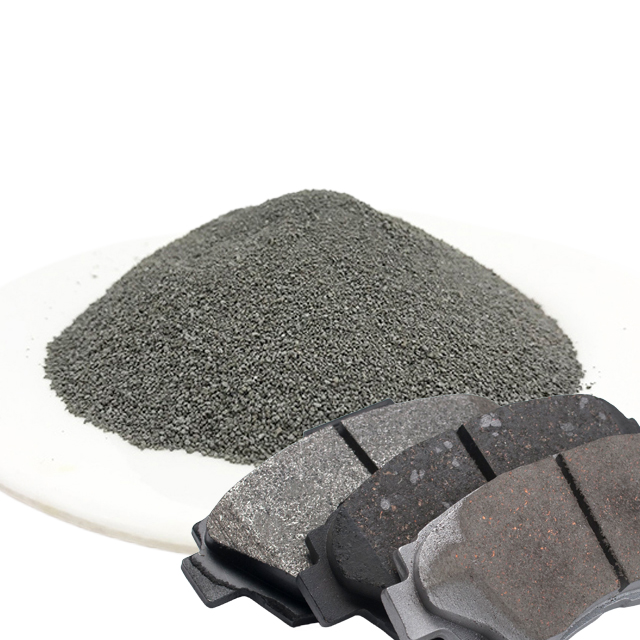
The secret to consistent stopping power in high-performance friction materials lies in understanding the manufacturing processes, material selection, and quality control measures involved in their production. Buyers in industries such as automotive and home appliances often face concerns regarding performance reliability, compatibility with existing systems, and sourcing trustworthy suppliers. This article will guide you through essential aspects of high-performance friction materials, helping you make informed purchasing decisions.
How Quality Control Ensures Consistent Stopping Power in Products
Quality control is crucial in the manufacturing of high-performance brake friction material, as it directly impacts their stopping power and overall effectiveness. At KPT, our ISO 9001 certification reflects our commitment to stringent quality standards throughout the production process.
Key elements of quality control include:
Material Inspection: All raw materials undergo thorough inspection to ensure they meet specified chemical and physical properties. This initial step is vital; subpar materials can lead to reduced friction performance and accelerated wear.
Process Monitoring: Throughout production, continuous monitoring is employed to detect and correct deviations from the desired specifications. Techniques such as statistical process control (SPC) help maintain process stability and consistency.
Final Testing: Before products leave the factory, they undergo rigorous final testing to confirm their performance characteristics. This may include measuring friction coefficients and wear rates under simulated operational conditions.
Implementing these quality control measures ensures that our friction materials provide reliable and consistent stopping power, a critical factor for industries that rely on safety and performance.
Where to Source Reliable Suppliers for Friction Materials in Bulk
Sourcing high-performance friction materials in bulk requires careful evaluation of potential suppliers to ensure reliability and quality. Here are key steps to consider:
Supplier Credentials: Look for suppliers with established credentials, such as ISO certifications and industry-specific accreditations. These certifications indicate adherence to recognized quality standards.
Production Capacity and Capabilities: Verify the supplier's production capacity to meet your volume requirements. Suppliers like KPT, with an annual production capacity exceeding 200,000 metric tons, can better accommodate larger orders without compromising quality.
Reputation and References: Research the supplier’s reputation in the industry. Customer testimonials and case studies can provide insights into their reliability and service quality.
Sample Testing: Always request samples before committing to a bulk purchase. Testing samples under real-world conditions can help confirm the material’s performance and compatibility with your existing systems.
Customization Options: Inquire about the supplier's ability to customize products to meet specific application needs. Reliable suppliers should be willing to work with you to tailor materials for your requirements.
By following these steps, you can identify trustworthy suppliers who can deliver high-performance friction powder materials consistently.
Comparing Specifications of High-Performance Friction Materials
Understanding the specifications of high-performance friction materials is essential for selecting the right product for your application. Key specifications to compare include:
Material Composition: The composition of the friction material affects its performance characteristics. For instance, materials with higher metal content may offer better heat dissipation but can also increase wear.
Friction Coefficient: This value indicates the effectiveness of a friction material in generating stopping power. A higher friction coefficient typically means better stopping performance but may also lead to increased wear.
Operating Temperature Range: Each friction material has an optimal operating temperature range. Exceeding this range can lead to reduced performance and premature failure. Ensure that the material you choose can handle the thermal conditions of your application.
Wear Rate: Understanding the wear rate of friction materials is crucial for long-term performance. Materials with lower wear rates may provide better longevity, reducing replacement frequency and overall costs.
Compatibility: Ensure that the selected friction material is compatible with the other components in your system, such as brake discs or drums. Incompatibility may lead to premature failure or reduced performance.
By comparing these specifications, you can make informed decisions that align with your performance needs and operational requirements.
Installation Guidance for Optimal Performance of Friction Materials
Proper installation is essential to achieving optimal performance and longevity of high-performance brake pad friction raw material powder.. Here are some guidelines to consider:
Surface Preparation: Ensure that the surfaces where the friction materials will be installed are clean and free from contaminants. Dirt, grease, or old material residues can adversely affect adhesion and performance.
Correct Alignment: Misalignment during installation can lead to uneven wear and reduced stopping power. Use precise measuring tools to ensure components are aligned correctly.
Torque Specifications: Adhere to the manufacturer’s torque specifications when tightening components. Over-tightening can lead to material damage, while under-tightening may result in loosening during operation.
Break-In Period: Many high-performance friction materials require a break-in period to reach optimal performance. Follow the manufacturer’s recommendations for this process to ensure maximum efficiency and longevity.
Regular Inspections: After installation, conduct regular inspections to monitor wear patterns and overall performance. Early detection of issues can prevent costly repairs and ensure consistent stopping power.
Following these installation guidelines can help you maximize the performance of your friction materials and extend their service life.
Applications of High-Performance Friction Materials in Various Industries
High-performance friction materials find applications across various industries due to their essential role in safety and performance. Here are some key applications:
Automotive: In the automotive sector, friction materials are critical for braking systems. They must provide reliable stopping power under varying conditions, including high speeds and heavy loads.
Home Appliances: Friction materials are used in appliances such as washing machines and dishwashers to manage motor functions effectively. They help in controlling movement and ensuring smooth operation.
Welding: In welding applications, friction materials are vital for maintaining the integrity of machinery and ensuring proper operation during high-stress conditions.
Aerospace: The aerospace industry requires sintered friction material friction materials that can withstand extreme conditions and provide reliable performance. Materials used in aircraft braking systems must meet stringent safety and performance standards.
Industrial Machinery: Friction materials are also employed in various industrial applications, including conveyor systems and manufacturing equipment, where reliable performance is essential.
Understanding the specific applications of high-performance friction materials can help you choose the right products that meet the demands of your industry.
Table of Contents
- How Quality Control Ensures Consistent Stopping Power in Products
- Where to Source Reliable Suppliers for Friction Materials in Bulk
- Comparing Specifications of High-Performance Friction Materials
- Installation Guidance for Optimal Performance of Friction Materials
- Applications of High-Performance Friction Materials in Various Industries