

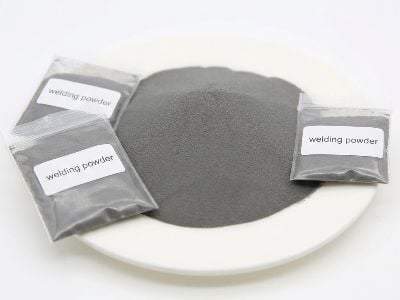
Achieving superior weld quality is a critical concern in the manufacturing sector, particularly for businesses involved in automotive, home appliances, and industrial welding. Specialized welding powder formulations play a pivotal role in enhancing the quality of welds, ensuring structural integrity, and improving overall production efficiency. This article will explore how to achieve superior weld quality with these specialized powders, focusing on key specifications, cost factors, common welding problems, and a comparison of available options. By understanding these elements, buyers can make informed decisions that align with their operational needs
Achieving Superior Weld Quality with Specialized Welding Powders
Specialized welding powders are designed to improve the physical properties of welds, such as strength, ductility, and corrosion resistance. These powders are typically formulated from specific alloy compositions tailored to meet the requirements of various applications. For instance, stainless steel welding powders are commonly used in environments where corrosion resistance is critical, such as in the automotive and home appliance industries
To achieve superior weld quality, it is essential to select the right formulation based on the specific application. Factors such as the base material, intended service conditions, and weld joint configuration must be considered. High-quality powders can also reduce defects such as porosity and cracking, which are common challenges in welding processes. KPT’s extensive experience in producing specialized powders ensures that manufacturers can rely on consistent product quality to achieve optimal welding results
Key Specifications to Evaluate Welding Powder Quality Effectively
When assessing welding powders, buyers should focus on several key specifications that directly impact performance
Chemical Composition: The alloying elements in the powder can significantly influence the mechanical properties of the weld. Buyers should verify that the composition aligns with the specific welding requirements of their projects
Particle Size Distribution: The size and distribution of particles can affect the flowability and melting characteristics of the powder. A well-balanced distribution promotes uniform melting and enhances the overall quality of the weld
Moisture Content: Excess moisture in welding powders can lead to hydrogen-induced cracking in the finished weld. Therefore, it's crucial to choose powders with low moisture content, ideally verified through rigorous quality control processes
Flowability: Good flowability ensures consistent feeding into the welding process, reducing the likelihood of interruptions that can lead to defects. Testing for flowability can help buyers select powders that facilitate smooth operation
Packaging and Handling: Proper packaging is essential to maintain powder quality during transportation and storage. Buyers should inquire about the packaging methods used by suppliers to ensure the product remains uncontaminated
By focusing on these specifications, buyers can ensure they select welding powders that meet their operational needs while minimizing potential issues during the welding process
Understanding the Cost Factors of Specialized Welding Formulations
The cost of specialized welding powders can vary significantly based on several factors
Raw Material Costs: The prices of the raw materials used in the formulations, such as alloying elements, greatly influence the final cost. Fluctuations in the market for these materials can affect pricing
Production Process: The manufacturing method employed, whether it involves atomization or other techniques, impacts production efficiency and cost. KPT utilizes advanced atomization processes to produce high-quality powders at scale, contributing to competitive pricing
Customization Requirements: Tailored formulations to meet specific application needs may incur additional costs. Buyers should consider whether standard formulations suffice or if custom solutions are necessary for their projects
Volume Discounts: Purchasing larger quantities often results in lower per-unit costs. Buyers should assess their needs and consider the minimum order quantities (MOQ) offered by suppliers to optimize their purchasing strategy
Quality Assurance: Quality control processes, including testing and certification, can add to the cost. However, investing in high-quality products often leads to long-term savings by reducing defects and enhancing overall performance
Understanding these cost factors helps buyers evaluate their options effectively, ensuring they make informed decisions that balance quality and budget
Common Welding Problems and Solutions with Specialized Formulations
Welding processes can encounter various challenges that affect the quality of the final product. Some common issues include
Porosity: This defect occurs when gas bubbles become trapped in the weld. Specialized welding powders that contain de-sulfurizing agents can help mitigate this issue by reducing the formation of harmful gases during the welding process
Cracking: This can happen due to rapid cooling or improper material compatibility. Selecting the right powder formulation can help prevent cracking by ensuring appropriate thermal properties and melting characteristics
Inadequate Fusion: Poor fusion between the base material and the weld can lead to weak joints. Utilizing powders with optimal melting points and good flowability can enhance fusion, promoting stronger welds
Inconsistent Weld Appearance: Variations in color and texture can result from inconsistent powder quality. High-quality, specialized formulations ensure uniformity in the welding process, leading to aesthetically pleasing and structurally sound welds
To address these common welding problems, manufacturers should work closely with suppliers like KPT, which offers expertise in powder formulations and can provide tailored solutions for specific challenges
Comparing Welding Powder Options for Industrial Applications
Selecting the right welding powder involves comparing various options based on specific application requirements. Here are key considerations for making an informed decision
Material Compatibility: Ensure that the welding powder is compatible with the base materials being joined. For example, using a stainless steel powder for welding stainless steel components can enhance corrosion resistance
Performance Requirements: Different applications may necessitate specific mechanical properties, such as tensile strength or ductility. Buyers should assess the required performance standards and choose powders that meet these needs
Production Volume: For high-volume production, consider powders that facilitate faster welding speeds and reduced downtime. This can optimize productivity and overall efficiency
Application Environment: The service conditions, such as exposure to chemicals or extreme temperatures, should influence powder selection. Specialized formulations can enhance performance in harsh environments
Supplier Expertise: Evaluate the supplier's experience and reputation in the industry. Collaborating with a knowledgeable partner like KPT can provide insights into the best powder options for specific applications
By carefully comparing these aspects, buyers can select welding powders that not only meet their operational requirements but also enhance the overall quality and performance of their welded products
Table of Contents
- Achieving Superior Weld Quality with Specialized Welding Powders
- Key Specifications to Evaluate Welding Powder Quality Effectively
- Understanding the Cost Factors of Specialized Welding Formulations
- Common Welding Problems and Solutions with Specialized Formulations
- Comparing Welding Powder Options for Industrial Applications