
Hydrogen direct reduced iron, or HDRI, is an important material used to make steel. It is created by reducing iron ore using hydrogen instead of carbon. This process is cleaner and better for the environment because it produces water vapor instead of harmful carbon dioxide. Companies like KPT are working to use HDRI in steel production to help reduce pollution and support a more sustainable future. This method is becoming popular because it can help meet the growing demand for steel while also being more eco-friendly.
Hydrogen direct reduced iron is made by taking iron ore, which is a rock that contains iron, and using hydrogen gas to remove the oxygen. This process happens in a special furnace, and it results in pure iron that is easier to use for making steel. One of the big benefits of HDRI is that it reduces carbon emissions. Traditional methods of making iron use carbon, which creates a lot of pollution. By switching to hydrogen, companies can help the planet. KPT believes that using HDRI can make the steel industry much cleaner. Another advantage of HDRI is that it can improve the quality of steel. Steel made with HDRI has fewer impurities, which means it can be stronger and last longer. This is important because steel is used in many things like buildings, cars, and bridges. When steel is stronger, it can support heavier loads, making structures safer. Additionally, using HDRI can help steel producers save money in the long run. Even though the initial setup might be costly, the lower emissions can lead to fewer regulations and penalties. More companies are looking into HDRI as a way to stay competitive while being responsible to the environment. KPT is excited about these benefits and is committed to exploring how HDRI can be used in steel production. For example, High performance ZF Superfine Iron Powder Replacing Carbony Iron Powder can also play a role in enhancing the properties of steel produced.
Although hydrogen direct reduced iron has many advantages, there are some challenges that companies face when trying to use it. One issue is the availability of hydrogen. Making sure there is enough hydrogen to use in the production process can be hard. It is important to have a reliable source of hydrogen, and not all regions have this. KPT works on finding solutions to this problem by exploring different ways to produce hydrogen more efficiently. Another challenge is the cost of the technology needed for HDRI production. The furnaces and equipment needed can be expensive to build and maintain. However, over time, as more companies adopt this technology, the costs can go down. It’s like when new technology, like smartphones, becomes cheaper as more people buy them. Training workers to understand how to operate the new equipment is also crucial. KPT places importance on training and education so that everyone involved understands how to use HDRI effectively. Lastly, there can be concerns about how HDRI will perform compared to traditional methods. Some might worry that the quality of the steel could be affected. But research shows that HDRI can actually produce high-quality steel. KPT aims to prove this by conducting tests and showing that HDRI can match or even exceed traditional steel production methods. By addressing these common issues, KPT hopes to encourage more steel manufacturers to consider using HDRI in their processes. Additionally, Very high bending strength above 800°C Replacing Carbony Iron Powder UHF-P Iron Powder could provide a solution for some of these challenges.
Hydrogen Direct Reduced Iron, often called H-DRI, is an exciting new way to make iron. This method has several key advantages that make it better for our planet and for making strong materials. First, using hydrogen to reduce iron ore means that we can make iron without creating a lot of pollution. Traditional methods use coal, which releases carbon dioxide into the air. Carbon dioxide is a gas that contributes to climate change, and we want to reduce its levels. By using hydrogen, which is a clean gas, we can make iron without adding more harmful gases to the environment. This is one of the biggest benefits of H-DRI.
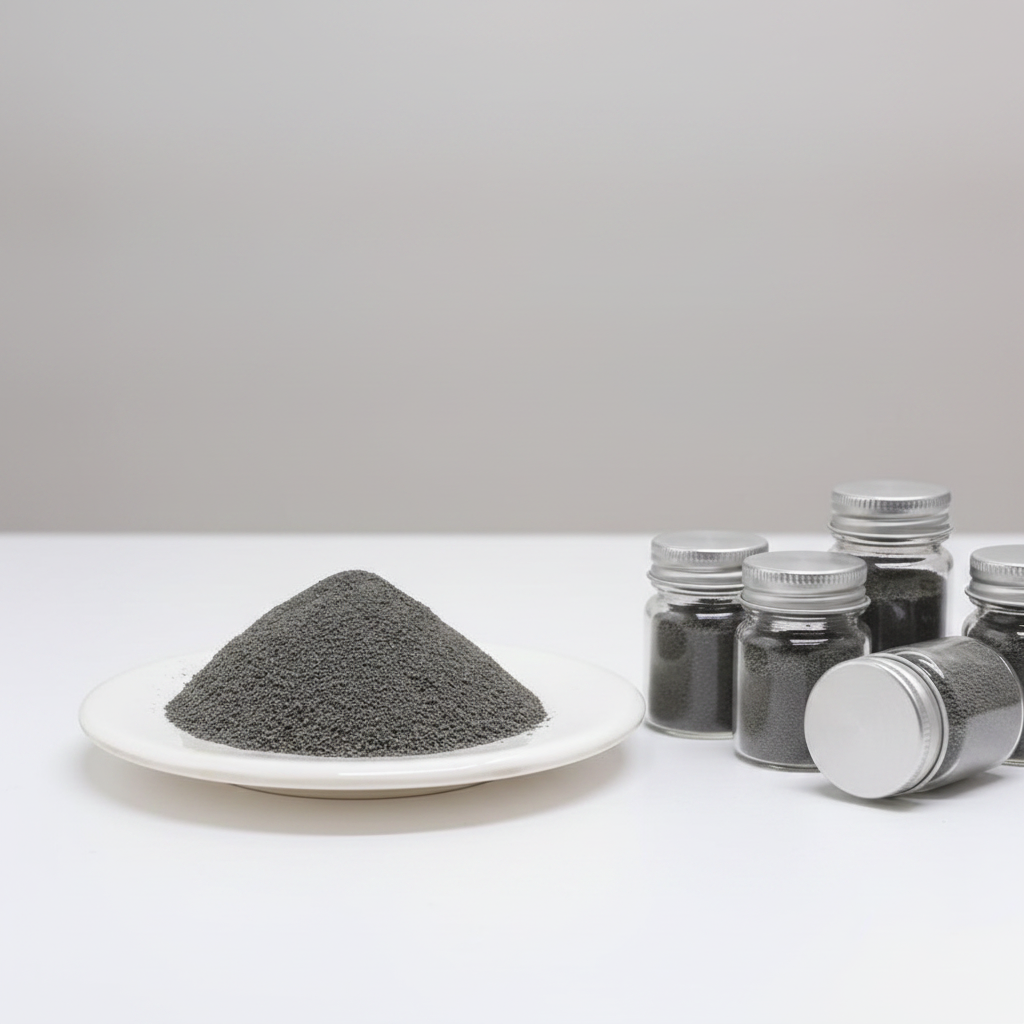
Another advantage is that H-DRI can help make stronger and purer iron. When we use hydrogen, the iron produced has fewer impurities. This is important because pure iron is stronger and can be used for many different products, from cars to buildings. Stronger iron means safer and longer-lasting products. Moreover, H-DRI can be produced using renewable energy sources, like wind or solar power. This means we can make iron in a way that is not just clean today, but also sustainable for the future. At KPT, we believe that using H-DRI is a step towards making a better world. By focusing on cleaner production methods, we can protect the environment while also creating high-quality iron. This is good news for everyone, as it supports both the economy and our planet.
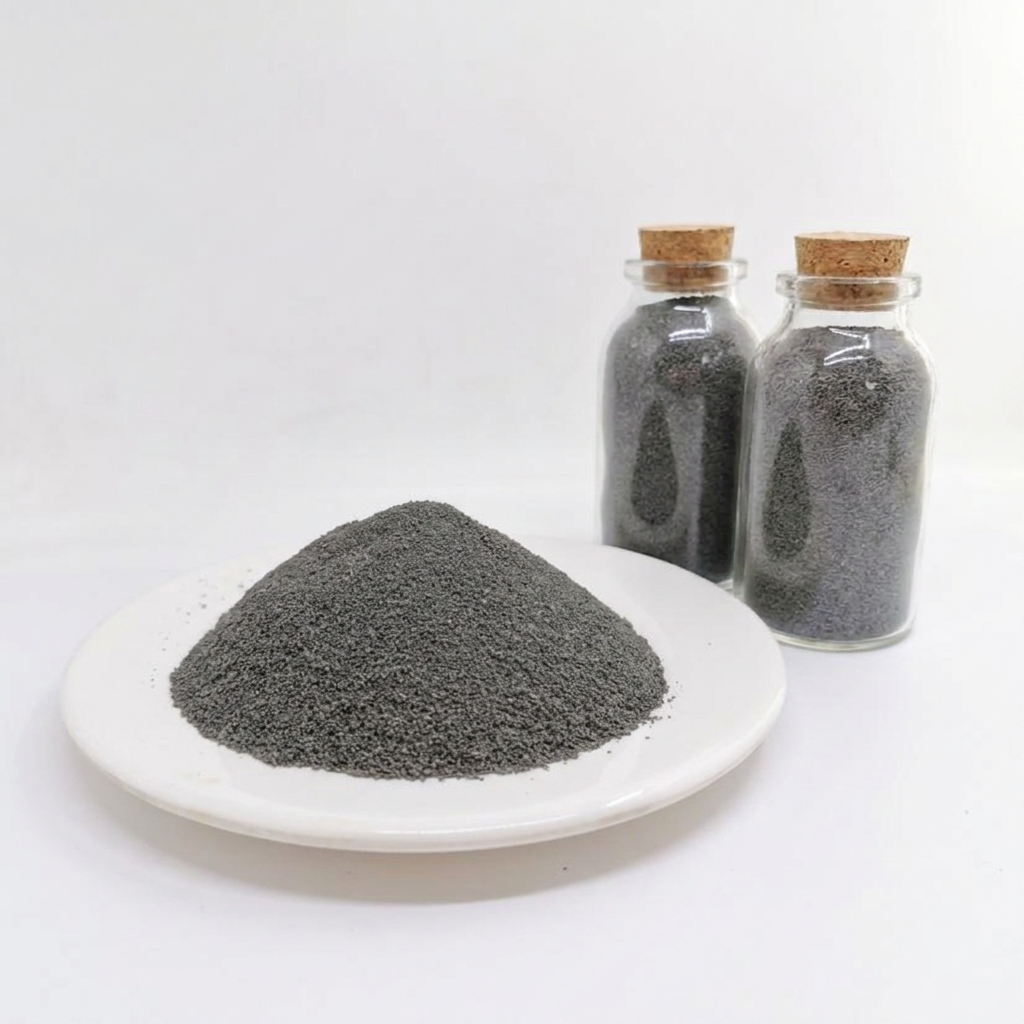
When we look at how H-DRI compares to traditional iron production methods, we can see some important differences. Traditional methods, like blast furnaces, have been used for a long time. They rely heavily on coal and emit a lot of carbon dioxide. This makes them harmful to the environment. In contrast, H-DRI uses hydrogen instead of coal. This modern method is much cleaner and helps to reduce greenhouse gases. By switching to H-DRI, we can help lower the amount of pollution that comes from making iron.
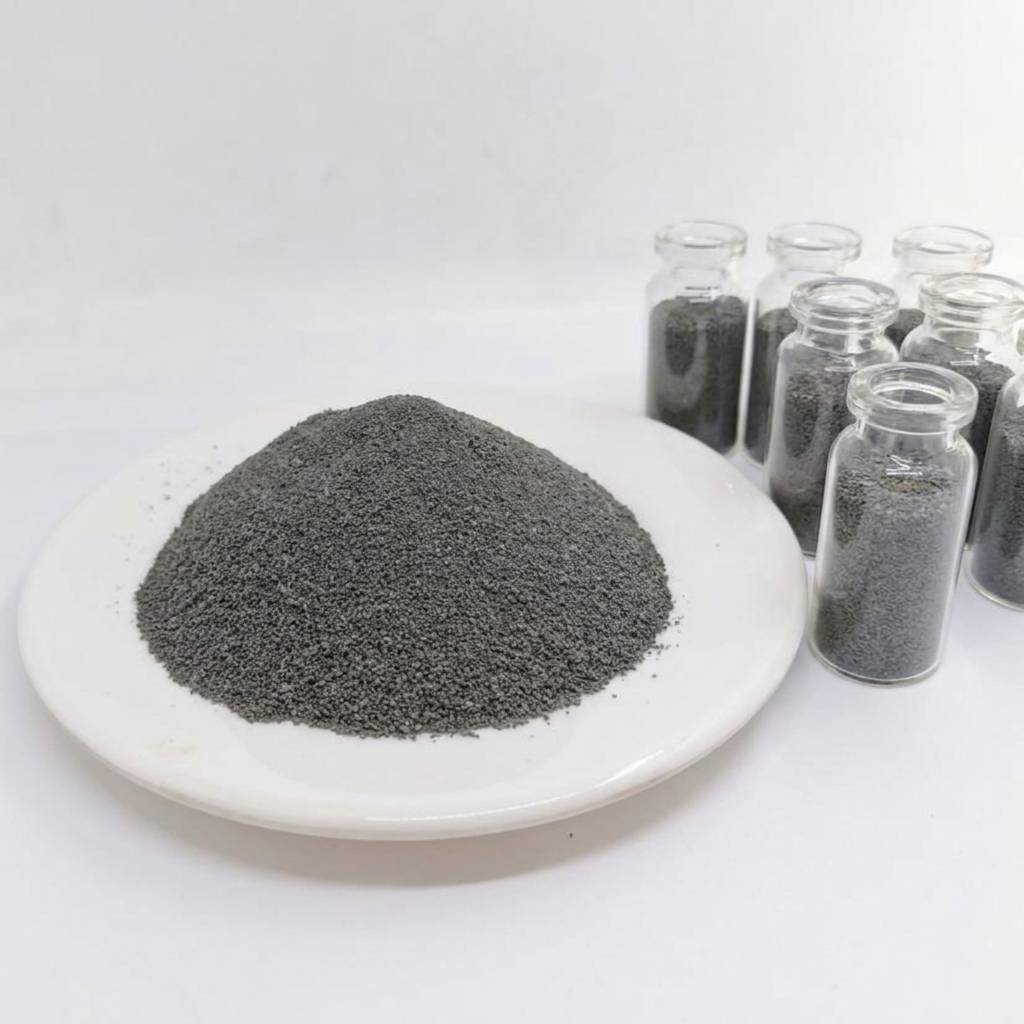
Another difference is in the efficiency of production. H-DRI can use less energy overall compared to traditional methods. This means that we can produce iron faster and with fewer resources. Since energy costs can be high, being more efficient can save money for companies like KPT that focus on making iron. Also, the iron produced through H-DRI can be more versatile. It can be used in a wider range of applications, which is a big plus for industries that depend on high-quality materials. Overall, while traditional methods have been effective for many years, moving towards H-DRI helps us create a more sustainable and efficient future.
KPT Company has annual production capacity of 200000 tonnes also has sponge iron and the production atomized powder. It is currently the most extensive, most comprehensive most technologically advanced production plant Powdered metalsin China.
provide excellent services terms of delivery and shipping. products are shipped to more than 30 countries across North America, South America, Asia, Europe and have been praised by customers.We look forward working with you to Steel powderyour reliable trustworthy supplier.
company's main business is producing metal powders. offer broad range of products including water atomized powders, sponge Iron, hydrogen reduced sponge powder low apparent density, high alloy powders, Iron powderfine powders stainless steel, carbonyl powders copper powders, more.
are accredited ISO9001, SGS and REACH. KPT a provincial powder metallurgy research center, has a an ongoing Powder 3d printingwith universities research institutions.We offer you single-stop service until satisfied.
Copyright © Shanghai Knowhow Powder-Tech Co.,Ltd. All Rights Reserved - Privacy Policy