

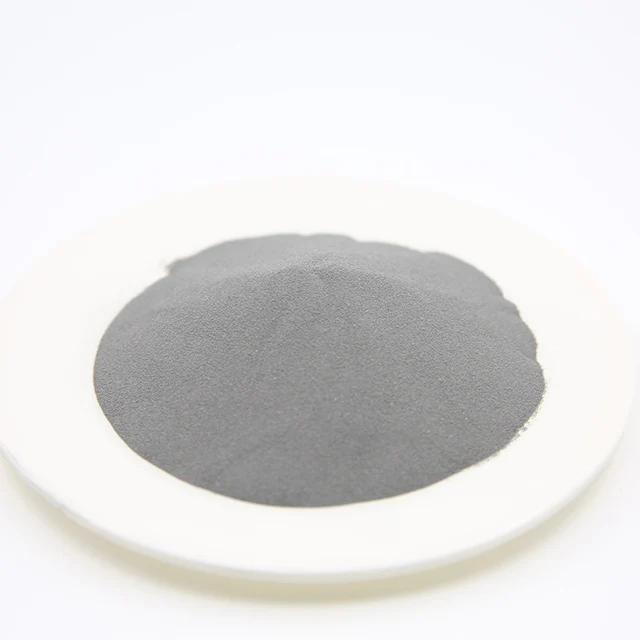
Fine iron dust is a common material in many industrial settings. People often work with it in factories, workshops, and other places where metal is processed. However, fine iron dust can be dangerous if not handled correctly. When it is in the air, it can cause breathing problems and even fire hazards. That's why it’s important to follow safety rules when working with it. At KPT, we know that keeping workers safe is the top priority. It’s not just about meeting rules; it’s about ensuring that everyone goes home healthy at the end of the day. Proper training, equipment, and procedures are key for handling fine iron dust safely.
Where to Find Reliable Resources for Fine Iron Dust Handling Protocols
Finding good resources for handling fine iron dust is crucial. Many organizations provide great information. The Occupational Safety and Health Administration (OSHA) is one source. They offer guidelines on how to work safely with different materials, including fine iron dust. Another helpful place is your local safety council. They often provide workshops and materials that can help workers learn more about safety practices. Trade organizations also have resources that focus on specific industries. They can give you insights into the best practices for your field. Your company can also create its own safety manual. This manual could include specific steps for handling fine iron dust safely. It should be easy to read and follow. Involving workers in this process can make it even better. Their input can help identify potential dangers that might be overlooked.
How Fine Iron Dust Handling Protocols Can Enhance Workplace Safety
When fine iron dust is handled safely, everyone benefits. First, it keeps the workplace clean. Dust can make it hard to see and can cause equipment to fail. By following safety protocols, workers can prevent this from happening. Second, it reduces health risks. When fine iron dust is in the air, it can be harmful to breathe. Workers who are exposed to it for a long time can develop serious health issues. By using proper ventilation and protective gear, companies can minimize these risks. Third, it helps prevent fires and explosions. Fine dust can ignite if it is not controlled. Implementing safety procedures, like regular cleaning and proper storage of materials, can lower the chance of these dangerous situations. Overall, KPT believes that having clear handling protocols is essential for a safe workplace. When everyone knows the rules and follows them, it creates a culture of safety. This culture not only protects workers but also improves overall productivity. Happy and healthy workers are more efficient and contribute to a better work environment.
Prevention and Solutions
Handling fine iron dust in factories can be dangerous if the right steps are not taken. Fine iron powder can cause fires, explosions, or health problems if workers breathe it in. To prevent these risks, companies like KPT need to create a safe work environment. First, it is important to keep the area clean. Workers should regularly sweep and vacuum the floors to remove any dust. Using special tools that capture dust can help a lot. Also, it is smart to control how much dust is created during work. This can be done by using machines that cut or shape iron in a way that makes less dust. After that, we should have good ventilation in the workspace. Ventilation means bringing fresh air into the area where people work. Good airflow helps to keep dust from building up in the air. Another solution is to use water or other liquids when working with iron. This can help to keep dust from flying around. Lastly, it is important to have clear rules and guidelines. Everyone in the company should know how to work safely with fine iron dust. By preventing dust and having good solutions in place, KPT can keep all its workers safe.
What Safety Equipment is Essential for Handling Fine Iron Dust?
When working with fine iron dust, safety equipment is very important. Workers at KPT need to wear gear that protects them from dust and other dangers. One of the most important pieces of safety equipment is a mask or respirator. These help to keep the fine dust out of a worker’s lungs. It is crucial to choose the right kind of mask that is made for fine particles. Another essential item is safety goggles. These goggles protect the eyes from dust that can cause irritation or injury. Workers should also wear gloves to protect their hands from dust and sharp pieces of iron. The gloves need to fit well so that workers can still hold tools safely. It is also important to wear protective clothing, like coveralls, to keep dust from sticking to regular clothes. This helps in preventing dust from spreading outside of the work area. Finally, having good footwear is important too. Steel-toed boots can protect the feet from heavy objects and help workers stay safe while walking around the work area. By using the right safety equipment, KPT ensures that its workers can handle fine iron dust without getting hurt.
How to Train Employees on Safe Handling of Fine Iron Dust
Training employees on how to safely handle fine iron dust is very important at KPT. The first step in training is to give workers clear information about the dangers of fine iron dust powder. This can be done through meetings or workshops where workers learn about the risks. It is good to show examples of what can happen if safety rules are not followed. Next, hands-on training is essential. Workers should practice using safety equipment like masks and goggles to make sure they know how to use them properly. Role-playing different scenarios can also help workers understand what to do in case of an emergency. Another important part of training is to teach workers how to keep the workspace clean. They need to know how to properly sweep and use vacuum machines to remove dust. KPT can create a checklist for workers to follow every day to ensure they complete these tasks. Regular training sessions can help to refresh workers' memories about safety rules. It is also a good idea to have safety champions or leaders among workers who can remind others about safe practices. Finally, KPT should encourage workers to speak up about any safety concerns they have. This creates a culture of safety where everyone looks out for each other. By providing proper training, KPT can ensure that all employees know how to handle fine iron dust safely.