

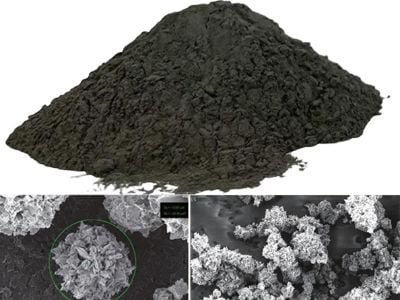
Engineering the perfect magnetic core with high-purity carbonyl iron powder is essential for various applications in industries such as automotive, home appliances, and welding. These cores play a critical role in the performance and efficiency of electronic components. Understanding how to select the right magnetic core, evaluate key specifications, and navigate common challenges will empower purchasing managers and engineers to make informed decisions. This article aims to provide insights into choosing the right magnetic core, specifications to consider, purchasing options, potential installation challenges, and comparisons with other powders.
How to Choose the Right Magnetic Core for Your Applications?
Selecting the appropriate magnetic core involves understanding the specific application requirements. Considerations should include the core's magnetic permeability, saturation flux density, and thermal stability. High-purity carbonyl iron powder is particularly valued for its excellent magnetic properties, making it suitable for applications requiring low core losses and high efficiency.
For instance, in automotive applications, where space is often limited, the core’s size must balance performance with physical dimensions. Additionally, the operating frequency impacts the core selection, as different materials perform better at varying frequencies. Buyers should also factor in the installation environment, including temperature and humidity, as these conditions can influence the core's performance.
Understanding these elements helps ensure the selected magnetic core aligns with the operational demands of the end product, maximizing performance and minimizing energy loss.
Key Specifications to Consider for Magnetic Cores in Manufacturing
When evaluating magnetic cores, several key specifications must be taken into account:
Magnetic Permeability: This measures the material's ability to conduct magnetic lines of force. Higher permeability typically translates to improved efficiency in electromagnetic applications.
Saturation Flux Density: This indicates the maximum magnetic field that the core material can handle before it becomes ineffective. Selecting a core with an adequate saturation point is crucial for preventing loss of performance under high magnetic fields.
Thermal Characteristics: The core's ability to withstand temperature fluctuations is vital, especially in high-heat environments. High-purity iron carbonyl powder generally offers better thermal stability compared to other materials.
Density and Volume Resistivity: These properties affect the core's weight and electrical loss. A lower density can reduce the overall weight of the assembly, while higher volume resistivity is essential for minimizing eddy current losses.
Mechanical Strength: The core should possess enough strength to withstand mechanical stresses during handling and operation. This is particularly important for cores used in high-vibration environments, like automotive applications.
Evaluating these specifications helps ensure the chosen magnetic core meets the performance and durability requirements of the intended application.
Wholesale Purchasing Options for Carbonyl Iron Powder
When sourcing carbonyl iron powder, purchasing managers can explore several wholesale options to meet their production needs. KPT, with its extensive production capacity exceeding 200,000 metric tons annually, offers competitive pricing and reliable supply chains.
Buyers should consider:
Minimum Order Quantity (MOQ): Understanding the MOQ is essential for budget management and inventory planning. KPT can accommodate various order sizes, allowing flexibility in purchasing.
Packaging Options: Proper packaging is crucial for preserving the quality of carbonyl iron powder during transport. Options may include bulk bags or smaller, sealed containers depending on operational needs.
Lead Time: Timely delivery can significantly affect production schedules. Confirming lead times with suppliers before placing orders aids in planning and avoiding production delays.
Customization Capabilities: Depending on application specifics, buyers may require tailored specifications. Discussing customization options with suppliers can help meet unique application needs.
Exploring these purchasing factors will lead to more efficient procurement processes and better alignment with production goals.
Common Installation Challenges with Magnetic Cores and Solutions
Installation of magnetic cores can present various challenges that may impact performance. Common issues include:
Alignment and Orientation: Improper placement of the core can lead to inefficient magnetic circuit performance. Ensuring that cores are correctly oriented according to design specifications is crucial for optimal function.
Mechanical Stress: During installation, cores may be subjected to mechanical stress, which can lead to damage. Using protective fixtures or tools during installation helps mitigate this risk.
Thermal Management: As cores operate, they may generate heat. Without adequate thermal management, overheating could affect performance. Implementing heat sinks or ensuring proper airflow during installation can help maintain optimal temperatures.
Electrical Connections: Ensure that electrical connections are secure and correctly configured to prevent short circuits or signal loss. Regular inspection and maintenance can mitigate these issues.
Addressing these common installation challenges through careful planning and execution will enhance the overall reliability and performance of the magnetic systems in which these cores are utilized.
Carbonyl Iron vs. Other Powders
Carbonyl iron powder stands out in terms of magnetic properties compared to other metal powders, such as silicon steel or ferrite. Key differences include:
Magnetic Performance: Carbonyl iron exhibits superior magnetic permeability and lower hysteresis losses, making it ideal for applications requiring high efficiency and performance. In contrast, silicon steel may offer adequate performance but is often bulkier and less efficient.
Fabrication Flexibility: Unlike ferrite, which can be brittle and challenging to machine, carbonyl iron powder allows for easier fabrication into complex shapes, enhancing design versatility.
Temperature Tolerance: Carbonyl iron can perform better in higher temperature environments compared to some alternatives, which may degrade or lose magnetic properties under heat.
Electrical Resistivity: Higher electrical resistivity in carbonyl iron reduces eddy current losses, ensuring maximum efficiency in electromagnetic applications, particularly in high-frequency scenarios.
Understanding these distinctions enables buyers to make informed choices based on specific application needs, ensuring the selected magnetic core material aligns with performance and economic objectives.