

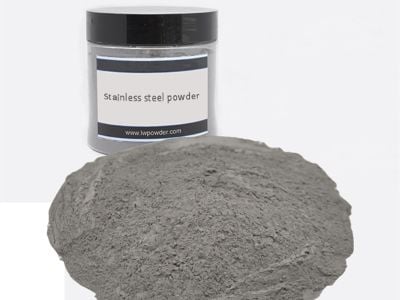
The use of 316L stainless steel powder in 3D printing has gained traction among engineers who seek to produce complex parts with high precision and durability. This article will explore why 3D printing engineers are increasingly specifying 316L stainless steel powder, addressing key concerns such as material properties, application suitability, and sourcing reliable suppliers. By understanding these elements, purchasing managers and product engineers can make informed decisions to optimize their manufacturing processes
Understanding the Advantages of 316L Stainless Steel Powder in 3D Printing
316L stainless steel powder is a low-carbon alloy known for its excellent corrosion resistance, high strength, and ability to withstand extreme temperatures. These properties make it particularly advantageous for 3D printing applications in industries such as automotive, aerospace, and medical device manufacturing
One of the primary benefits of using 316L stainless steel powder in 3D printing is its ability to create intricate geometries that are often impossible to achieve with traditional machining methods. The powder's fine particle size allows for precise layer deposition, resulting in parts with complex internal structures. This capability is crucial for applications requiring lightweight components without sacrificing strength or durability
Additionally, 316L stainless steel's excellent mechanical properties ensure that parts maintain their integrity under stress, making it suitable for critical applications. Its resistance to corrosion, particularly in saline environments, extends the lifespan of printed components, reducing the need for frequent replacements and maintenance
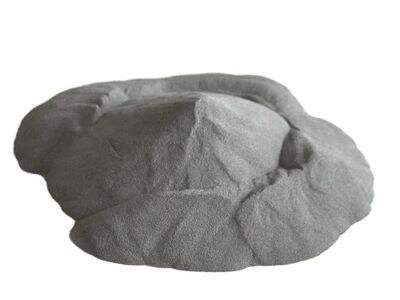
How to Choose the Right 316L Stainless Steel Powder for Your Projects
Selecting the appropriate 316L stainless steel powder involves several considerations that can significantly impact the final product's quality and performance. Buyers should evaluate the powder's particle size distribution, flowability, and chemical composition as these factors influence the printing process and the mechanical properties of the finished parts
Particle Size Distribution: A narrow particle size distribution often leads to better packing density and improved flow characteristics during the 3D printing process. This can enhance layer adhesion and minimize defects in the print. Buyers should inquire about the specific particle size ranges available from suppliers
Flowability: The powder's flowability affects how well it can be spread during the printing process. A powder that flows poorly may lead to uneven layer thickness, resulting in compromised part quality. Manufacturers often provide flowability data, which should be reviewed before making a selection
Chemical Composition: Ensuring that the chemical composition meets the required standards is critical. 316L typically contains nickel, chromium, and molybdenum, which contribute to its corrosion resistance and strength. Buyers should verify that the powder complies with industry standards to ensure optimal performance in their specific applications
Evaluating the Quality of 316L Stainless Steel Powder for Complex Parts
When assessing the quality of 316L stainless steel powder, several key characteristics should be examined to ensure that it meets the required specifications for complex parts
Density: The density of the powder can indicate its quality. Higher density powders often lead to better mechanical properties in the final product. Buyers should request density measurements from suppliers and compare these values against industry standards
Sphericity: The shape of the powder particles can affect the packing efficiency and flowability. Spherical particles tend to pack more uniformly, leading to improved layer consistency during printing. Suppliers should provide information on the particle shape and its implications for printing performance
Contaminants: The presence of contaminants can significantly affect the quality of the printed parts. Conducting tests for impurities, such as oxides or foreign particles, is essential. Buyers should request data on the purity of the powder and any relevant testing that has been performed
Additionally, obtaining samples for preliminary testing is advisable before committing to a large order. This allows for an assessment of the powder's performance in the specific 3D printing setup being used
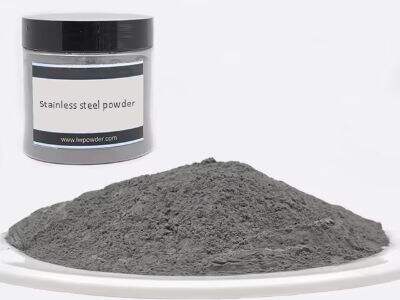
Where to Source Reliable 316L Stainless Steel Powder Suppliers
Finding a reliable supplier for 316L stainless steel powder is crucial for ensuring consistent quality and performance in your 3D printing applications. Here are some strategies for identifying reputable sources
Industry Certifications: Look for suppliers with relevant certifications, such as ISO 9001, which indicates a commitment to quality management. This can provide confidence in their manufacturing processes and product consistency
Reputation and Reviews: Research potential suppliers by checking online reviews, industry forums, and testimonials from other businesses. Engaging with peers in the industry can provide insights into which suppliers are known for their quality and reliability
Technical Support: A good supplier should offer technical support to assist you in selecting the right powder and optimizing your printing process. Evaluate their responsiveness and willingness to provide detailed information about their products
Sample Availability: Before placing a large order, request samples to evaluate the powder's performance. This step can help mitigate risks associated with material quality and ensure that it meets your specific requirements
Common Problems with 316L Stainless Steel Powder and Their Solutions
While 316L stainless steel powder for 3d printing offers many advantages, there are common issues that can arise during the 3D printing process. Understanding these challenges and their solutions can help ensure successful outcomes
Poor Layer Adhesion: Inadequate layer adhesion can occur due to improper printing parameters, such as insufficient laser power or incorrect scanning speed. Buyers should work closely with their printers to optimize these settings based on the specific powder characteristics
Warping and Distortion: Warping can result from uneven cooling or thermal gradients within the printed part. To mitigate this, consider using a heated build platform and adjusting the cooling rate to ensure more uniform temperature distribution throughout the print
Surface Finish Quality: The surface finish of printed parts can be affected by the powder's characteristics and the printing process. Post-processing techniques, such as polishing or bead blasting, can improve the surface finish after printing. Discuss these options with your supplier to understand the best practices for achieving the desired finish
By being aware of these common problems and working proactively to address them, purchasing managers and engineers can improve the reliability of their 3D printing processes using 316L stainless steel powder
In summary, understanding the properties, selection criteria, quality evaluation, sourcing strategies, and potential challenges of 316L stainless steel powder can help B2B buyers make informed decisions. This knowledge is essential for optimizing 3D printing processes and ensuring the successful production of complex parts
Table of Contents
- Understanding the Advantages of 316L Stainless Steel Powder in 3D Printing
- How to Choose the Right 316L Stainless Steel Powder for Your Projects
- Evaluating the Quality of 316L Stainless Steel Powder for Complex Parts
- Where to Source Reliable 316L Stainless Steel Powder Suppliers
- Common Problems with 316L Stainless Steel Powder and Their Solutions