

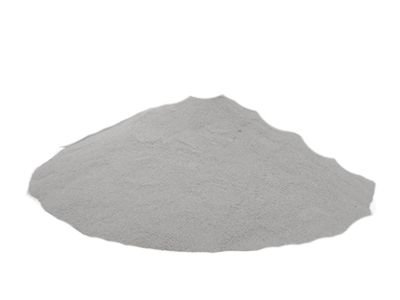
The future of additive manufacturing with custom atomized iron powder represents a transformative shift in industrial processes, enabling manufacturers to explore innovative design possibilities and optimize production efficiency. As a B2B buyer, you may have concerns about material properties, supplier reliability, and application suitability. This article will guide you through the advantages, selection criteria, applications, challenges, and sourcing for custom atomized iron powder, equipping you with the knowledge needed for informed purchasing decisions.
The Advantages of Custom Atomized Iron Powder for Manufacturing
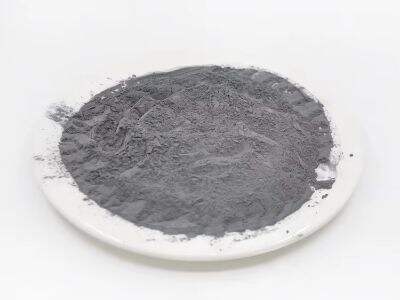
Custom atomized iron powder offers several advantages over traditional manufacturing materials. First, the atomization process yields powders with precise particle size distribution and morphology, which are critical for achieving high-density components and excellent mechanical properties. This fine control over particle characteristics enables improved sintering behavior in additive manufacturing, leading to stronger, more durable parts.
Additionally, custom atomized iron powders can be tailored for specific applications, allowing manufacturers to meet unique performance criteria. For instance, variations in alloy composition can enhance corrosion resistance or improve magnetic properties. Furthermore, the ability to produce powders in varying sizes and shapes supports a wide range of manufacturing techniques, including selective laser melting (SLM) and binder jetting, thus expanding design possibilities.
How to Choose the Right Supplier for Atomized Iron Powder?
Selecting the right supplier for atomized iron powder is crucial for ensuring product quality and meeting your manufacturing requirements. Key factors to consider include:
Certification and Quality Control: Look for suppliers with ISO 9001 certification, as this indicates a commitment to quality management systems. Inquire about their quality control processes, including how they handle raw materials, monitor production, and conduct final inspections.
Customization Capabilities: Verify if the supplier can customize the powder's chemical composition and particle size to suit your specific applications. A supplier with a flexible production process can better accommodate your unique needs.
Production Capacity and Lead Times: Ensure that the supplier can meet your volume requirements without compromising delivery schedules. Ask about their production capacity and typical lead times for orders.
Technical Support and Communication: A responsive supplier that offers technical support can help you address challenges during the manufacturing process. Establish clear communication channels for discussing specifications, adjustments, and quality concerns.
Reputation and Experience: Research the supplier's reputation in the industry and their experience with similar applications. Customer reviews and case studies can provide insights into their reliability and product performance.
Applications of Atomized Iron Powder in Industrial Settings
Atomized iron powder is utilized across various industrial sectors due to its versatility and performance characteristics. Key applications include:
Additive Manufacturing: In 3D printing, atomized iron powder is used to produce complex geometries that are difficult to achieve with traditional methods. This includes components for automotive parts, aerospace structures, and medical devices, where precision and material properties are critical.
Welding: Iron powder is often incorporated into welding consumables to improve fusion and enhance the mechanical properties of the weld. The powder can also be used to produce flux-cored wires, which allow for deeper penetration and better control during welding processes.
Soft Magnetic Applications: Atomized iron powders are essential in the production of soft magnetic components, such as inductors and transformers. Their fine particle size aids in achieving the desired magnetic properties, critical for efficiency in electrical applications.
Home Appliances: Manufacturers use atomized iron powder to create durable components for home appliances, leveraging its strength and corrosion resistance to enhance product longevity.
Common Problems in Additive Manufacturing and Their Solutions
While additive manufacturing offers numerous benefits, it is not without challenges. Common issues include:
Inconsistent Powder Quality: Variability in powder properties can lead to defects in the final product. Ensure that your supplier maintains strict quality control and offers consistent particle size distribution and morphology.
Poor Sintering Performance: If the powder does not sinter properly, it can result in weak or brittle parts. Work closely with your supplier to select powders that are optimized for your specific printing technology and application.
Layer Adhesion Issues: Inadequate layer adhesion can compromise the integrity of the printed part. This can often be resolved by adjusting the printing parameters, such as temperature and speed, or by using powders that have been specifically designed for better layer bonding.
Post-Processing Requirements: Many printed parts require additional processing, such as heat treatment or surface finishing, to achieve the desired properties. Be aware of these requirements and plan accordingly during production.
Where to Source Reliable Atomized Iron Powder for Your Projects?
Sourcing reliable atomized iron dust involves a strategic approach. Here are some steps to facilitate your procurement process:
Industry Trade Shows: Attending industry trade shows and exhibitions can provide an excellent opportunity to meet suppliers face-to-face, evaluate their products, and discuss your specific needs.
Online Marketplaces and Directories: Platforms like ThomasNet or IndustryNet can help you identify potential suppliers. Look for manufacturers with a strong presence in the additive manufacturing sector and a proven track record.
Networking and Referrals: Connect with industry peers and professionals for recommendations. Colleagues who have successfully sourced atomized iron powder can provide valuable insights into reliable suppliers.
Request Samples: Before committing to a large order, request samples to assess the powder's quality and compatibility with your manufacturing processes. Conduct tests to ensure that the material meets your specifications and performance expectations.
Evaluate Supplier Partnerships: Consider establishing long-term partnerships with suppliers who demonstrate a commitment to innovation and continuous improvement. Working closely with a trusted supplier can lead to better pricing, priority service, and access to new product developments.
By following these guidelines and leveraging the insights provided, you can navigate the landscape of additive manufacturing with custom atomized iron powder more effectively, ultimately enhancing your production capabilities and product offerings.
Table of Contents
- The Advantages of Custom Atomized Iron Powder for Manufacturing
- How to Choose the Right Supplier for Atomized Iron Powder?
- Applications of Atomized Iron Powder in Industrial Settings
- Common Problems in Additive Manufacturing and Their Solutions
- Where to Source Reliable Atomized Iron Powder for Your Projects?