

Iron Powder as an Energy Carrier: A New Application Under Development
Iron powder has long been used as an industrial material in powder metallurgy, welding, friction materials, chemical processing, magnetic materials, and other applications.
A different use for iron powder is now attracting attention from researchers and technology companies: using iron as an energy carrier.
The concept is based on a simple cycle. Iron powder reacts with oxygen and releases heat. The resulting iron oxide can then be reduced back to iron, which can be used again.
Research and pilot projects are exploring whether this cycle could provide a practical way to store and transport energy.
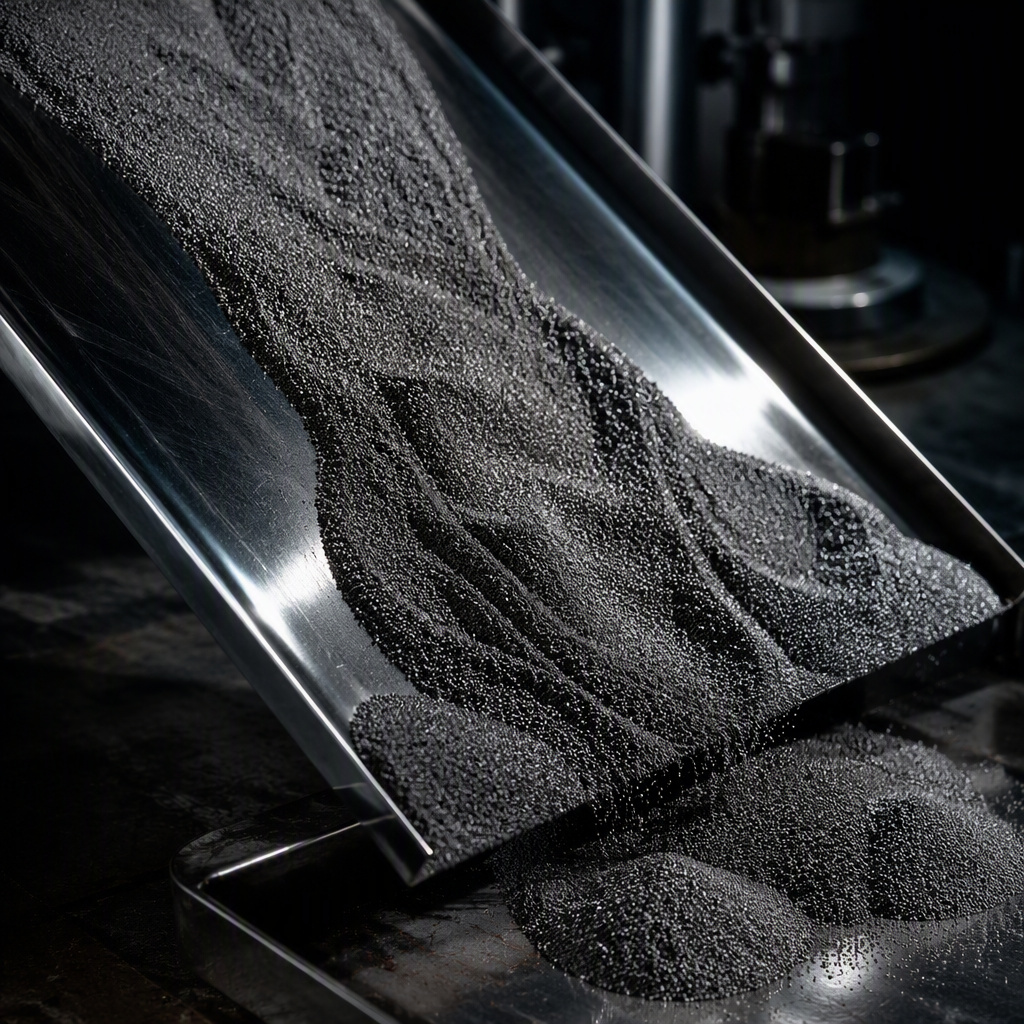
How Does Iron Fuel Work?
When fine iron particles are exposed to oxygen at sufficiently high temperatures, they oxidize and release heat.
The main reaction produces iron oxide rather than the carbon dioxide associated with conventional fossil fuels.
The basic cycle can be described as:
Iron → Iron Oxide → Iron
After combustion, the iron oxide can be collected and reduced back to metallic iron.
This gives iron powder a potential role as a recyclable energy carrier rather than simply a conventional fuel.
The overall environmental benefit, however, depends on how the iron oxide is reduced. If the reduction process relies on fossil energy, the carbon footprint of the complete cycle will remain significant.
The Role of Hydrogen
Hydrogen is one of the technologies being considered for regenerating iron from iron oxide.
Using hydrogen produced from renewable electricity could provide a lower‑carbon route for the reduction process. This connects iron‑fuel technology with developments in green hydrogen and low‑carbon ironmaking.
The concept is therefore different from simply burning iron powder.
The objective is to establish a cycle in which iron can be produced using low‑carbon energy, used to release energy when required, and then regenerated from the resulting oxide.
Why Particle Size Matters
Iron powder behaves differently from bulk iron.
Fine particles have a much larger surface area relative to their mass, which allows oxidation to occur more readily. This makes particle size an important factor in iron‑powder combustion.
Researchers are studying several characteristics, including:
· Particle Size
· Ignition Temperature
· Combustion Temperature
· Combustion Rate
· Oxidation Behavior
· Particle Morphology
These properties can affect how quickly the powder ignites, how efficiently it burns, and how the combustion process can be controlled.
Particle size distribution is also important. A powder containing particles of different sizes may behave differently from a narrowly classified powder under the same combustion conditions.
Research Is Still at an Early Stage
Iron‑fuel technology is still under development and should not be considered a direct replacement for established energy sources.
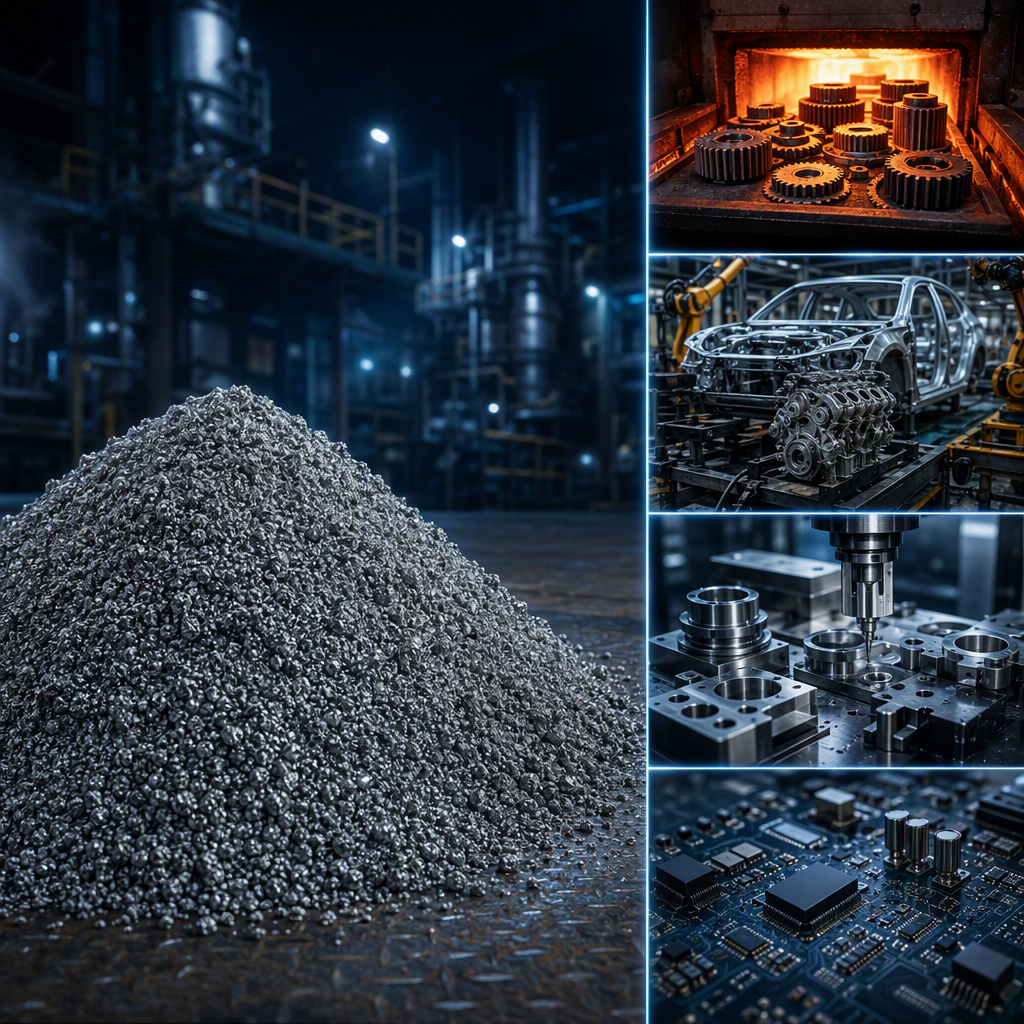
Several technical and economic issues remain to be addressed, including:
· Cost of iron powder production
· Combustion stability
· Collection of iron oxide after combustion
· Reduction efficiency
· Energy consumption during regeneration
· Cost and availability of low‑carbon hydrogen
The economics of the complete iron‑to‑iron cycle will ultimately determine whether the technology can be used on a commercial scale.
For this reason, current research is focused not only on combustion, but also on the entire cycle—from iron production and combustion to oxide collection and regeneration.
A New Perspective on Iron Powder
The development of iron‑fuel technology is worth following because it expands the potential role of iron powder beyond conventional manufacturing.
For decades, iron powder has primarily been viewed as a material for making components or supporting industrial processes.
The energy sector introduces a different possibility: iron powder could also serve as a medium for storing and transporting energy.
This does not mean that the application is already a large commercial market. At present, it remains a developing technology with significant technical and economic questions to solve.
However, progress in renewable energy, green hydrogen, low‑carbon iron production, and powder processing could create new opportunities for this field.
For iron powder manufacturers, this emerging technology also highlights the importance of powder characteristics that have traditionally been studied for other applications.
Particle size, morphology, surface condition, oxidation behavior, and chemical composition can all influence how iron powder performs.
As research continues, the industry will gain a better understanding of which powder characteristics are required for efficient and controllable iron‑fuel systems.
Iron powder may have another role to play beyond powder metallurgy. Its potential as a recyclable energy carrier is still being studied, but it is an area worth watching as the global energy system moves toward lower‑carbon technologies.