

China Strengthens Steel Capacity Control and Upgrades Iron Powder Standards: What It Means for Global Buyers
China’s steel industry is entering a new phase of stricter capacity control, environmental compliance and product standardization. The implementation of the updated Steel Industry Capacity Replacement Implementation Measures in 2026, together with the implementation of YB/T 5308-2024 for Reduced Iron Powder for Powder Metallurgy, is expected to accelerate the transformation of the iron and steel raw material sector toward higher efficiency, better quality and more standardized production.
For global buyers of iron powder, these changes are important not only from a regulatory perspective, but also in terms of supply stability, product consistency, quality assurance and long-term procurement strategy.
Stricter Steel Capacity Control
The new Steel Industry Capacity Replacement Implementation Measures further strengthen capacity control in China's ironmaking and steelmaking sector.
For general ironmaking and steelmaking capacity replacement projects, the replacement ratio is generally no lower than 1.5:1, while projects involving substantial mergers and reorganizations may apply a lower ratio under specified conditions. The new policy also strengthens restrictions on cross-company capacity transfers and reinforces supervision throughout project implementation.
The policy is designed to promote the reduction of inefficient capacity and encourage the development of more efficient, cleaner and higher-value steel production.
For downstream iron powder manufacturers, this may gradually increase the importance of:
· Stable raw material supply
· Qualified and compliant production capacity
· Production efficiency
· Environmental and energy performance
· Long-term supply reliability
While the capacity replacement policy primarily applies to ironmaking and steelmaking facilities rather than all iron powder production lines, its impact can extend throughout the raw material supply chain.
YB/T 5308-2024 Raises the Bar for Reduced Iron Powder
Another important development for the powder metallurgy industry is the implementation of YB/T 5308-2024, the updated industry standard for reduced iron powder used in powder metallurgy.
The new standard replaced the previous YB/T 5308-2011 and provides updated requirements covering product classification, technical specifications, testing methods, inspection, packaging, transportation, storage and quality certification.
The implementation of the new standard means that iron powder buyers are increasingly expected to pay attention not only to nominal iron content, but also to comprehensive powder performance and batch-to-batch consistency.
Key quality parameters may include:
· Total iron content
· Carbon, sulfur and phosphorus levels
· Oxygen content
· Hydrogen loss
· Particle size distribution
· Apparent density
· Flowability
· Compressibility
· Green strength
· Batch consistency
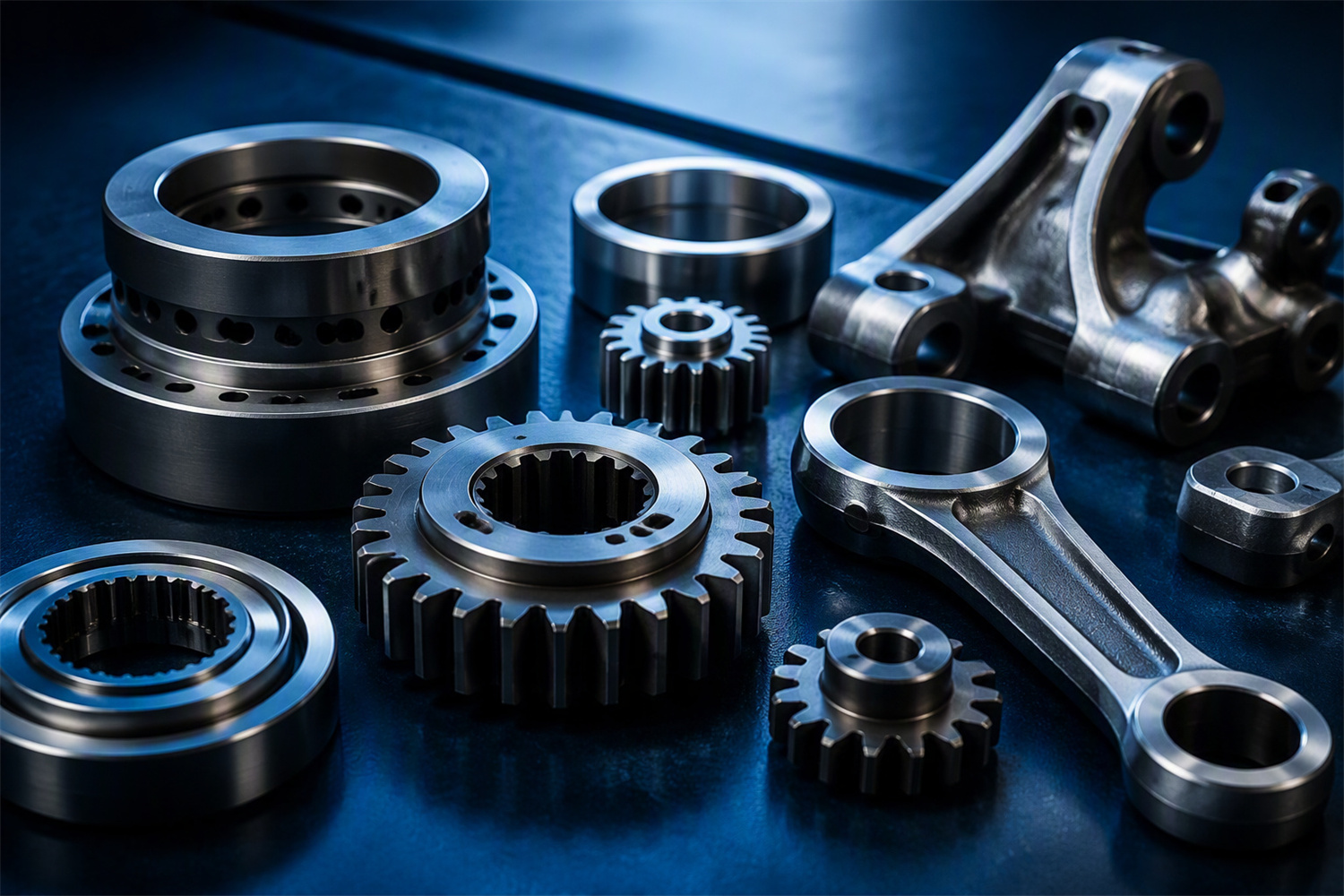
For powder metallurgy manufacturers, consistent raw material quality is particularly important because variations in iron powder characteristics can directly affect compacting behavior, sintering performance and the final properties of PM components.
From Price Competition to Quality and Supply Reliability
The combined impact of stricter steel capacity control and upgraded iron powder standards is likely to accelerate the differentiation of the iron powder market.
Low-cost products with inconsistent quality may face increasing pressure, while manufacturers capable of providing stable quality, standardized specifications and reliable long-term supply may become more competitive.
For international buyers, supplier evaluation is therefore increasingly moving beyond:
Price + Fe Content toward:
Quality + Consistency + Technical Support + Supply Reliability + Compliance
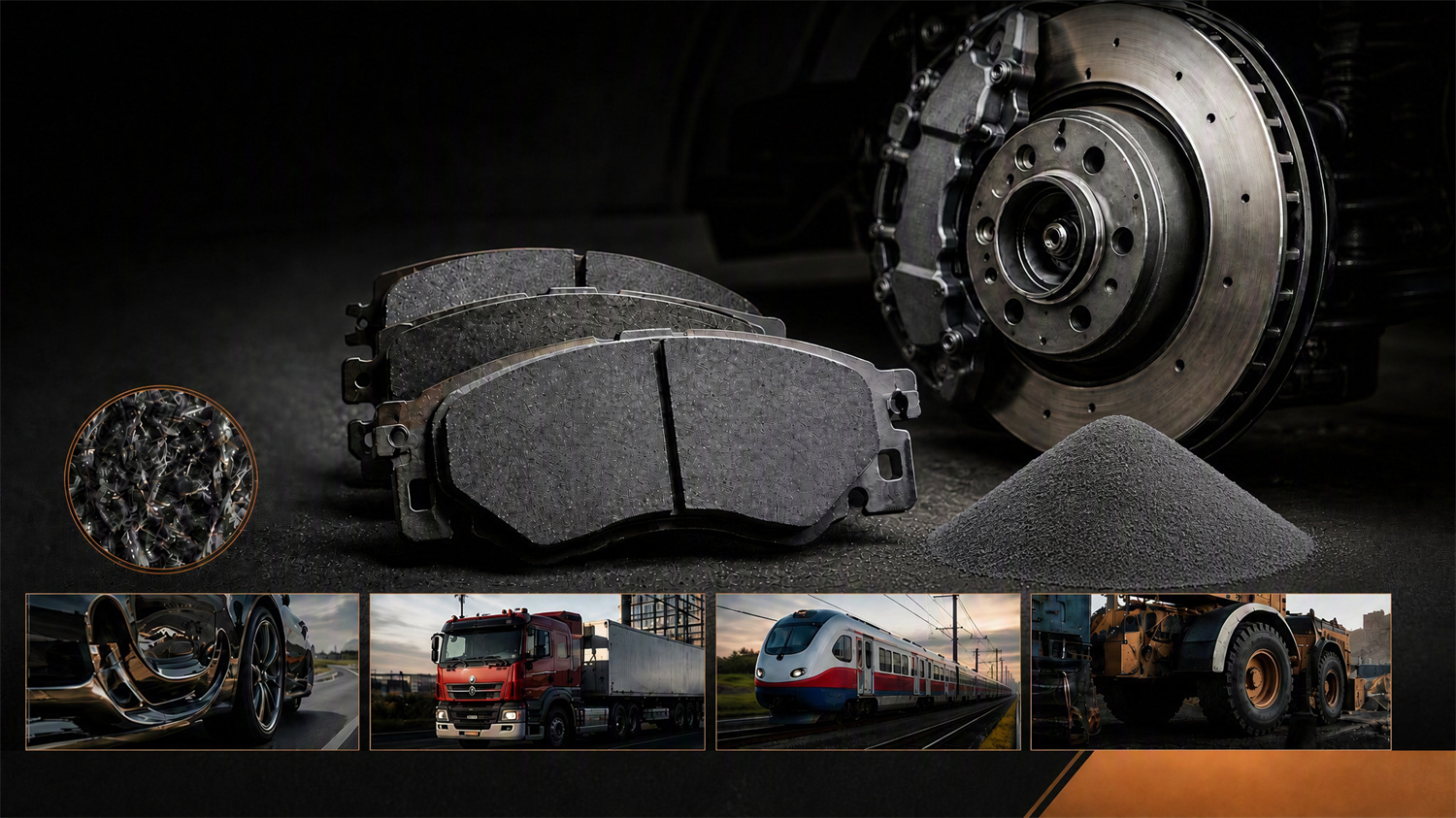
This trend is particularly relevant for customers producing automotive components, powder metallurgy structural parts, gears, friction materials, welding products, diamond tools and other applications where raw material consistency is critical.
What Should International Buyers Consider?
As China's iron and steel industry continues to improve its production structure, international buyers may benefit from reviewing their current iron powder supply chains.
We recommend paying particular attention to the following areas:
1. Product Specification
Confirm that the supplier can consistently meet the required chemical composition, particle size distribution and physical properties.
2. Quality Consistency
A single satisfactory sample does not necessarily guarantee long-term production consistency. Buyers should evaluate COA data and quality performance across multiple production batches whenever possible.
3. Technical Documentation
A professional supplier should be able to provide appropriate technical data sheets, COAs, testing information and product specifications for qualification and quality-control purposes.
4. Supply Capability
Long-term projects should consider not only current pricing but also the supplier's production capacity, raw material sourcing and ability to maintain stable deliveries.
5. Application Performance
For demanding powder metallurgy applications, buyers should evaluate the actual performance of the powder in their own production process, including compacting, sintering and final component properties.
Opportunities for High-Quality Iron Powder Suppliers
The changing regulatory and technical environment also creates opportunities for manufacturers with strong quality-control systems and diversified product capabilities.
Standard reduced iron powder remains an important material for conventional powder metallurgy applications, while higher-performance products such as high-purity iron powder, ultra-fine iron powder, atomized iron powder and alloy iron powders can serve applications requiring tighter control of chemical composition, particle size and processing performance.
The market is therefore gradually moving from simple commodity competition toward application-oriented and performance-driven competition.
Preparing for the Next Stage of the Iron Powder Market
For both suppliers and buyers, the key trend is clear:
Stricter capacity control → Higher production requirements → Stronger quality standards → Greater focus on consistency and supply security
For international customers, establishing relationships with reliable and technically capable iron powder manufacturers can help reduce supply-chain risks and ensure consistent raw material performance.
As the Chinese iron and steel industry moves toward more efficient and standardized production, the iron powder sector is also expected to continue its transition toward higher purity, tighter specifications, better consistency and higher-value applications.
Looking for a reliable supplier of reduced iron powder, atomized iron powder or high-purity iron powder? Contact our technical team to discuss your required specification, application and sample testing requirements.