

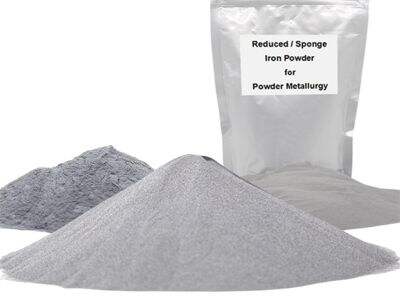
At KPT, we’ve come to learn that carefully managing powders, choosing the right materials and processes at every turn will translate into stronger better parts. This isn’t about blending all the powders together and hoping for the best — this is about ensuring each powder particle looks as good as possible before it’s pressed and heat. That way the sintered powder parts that come out are consistent and reliable, and look alike whether you’re making one or a thousand.
Where to Get Quality Powder Metallurgy Materials for Uniformly Sintered Parts?
Hunting for the right powders is like hunting for treasure. Not all powder is created equal, and the difference can affect the quality of your sintered metal powder parts. Here at KPT, we understand the importance of purchasing powders from reputable sources. The powders need to be: clean, uniform in size and not contaminated. Why? Because when particles in powders have dirt, mixed sizes, or unwanted chemicals inside them, the parts could develop cracks or weak spots after sintering. Under microscopes, we eyeball powders carefully to consider their size and shape.
Why Consistent Microstructure is Important for Long Lasting Sintered Parts in Large Quantities?
Pretend you’re producing hundreds or thousands of sintered parts. If some parts are differently designed on the inside, they will not all behave the same in machines or products. Inside a powdered sintered metal part, the microstructure — how the grains and pores are packed together — dictates its strength and longevity. At KPT, we have observed when microstructures change, parts will prematurely crack, wear out faster or simply fail under high pressure. That’s a major issue, particularly for bulk orders where customers may expect every piece to be just as tough as the last. Uniform microstructure refers to one where the parts have uniform density and grain size everywhere, so they share strength functions in addition to toughness properties. Where there are larger pores or an irregular grain growth in some parts, those areas become weak points.
Unified microstructure of sintered components, and challenges and solutions: a review
When producing sintered parts, a major objective is to achieve an even microstructure. This implies that the small particles inside the part are distributed and packed uniformly. Uniform microstructure helps the part be stronger, last longer and perform better. That's not always the case, though. There are a few typical issues that can cause troubles.
One issue is that the powder used to form the parts can come in various sizes. Uneven packing If some grains of powder are big and others small, they pack unevenly. This creates voids and defects within the sintered part. It is in the sintering process itself that another issue emerges. If the temperature is too high or too low, the particles can fail to bond correctly or may be uneven in size. This may result in certain parts within the part structure being denser or more loosely packed than other areas thereof. Furthermore, poor powder mixing or contamination can cause regions with different microstructures.
Powder Particle Size Sintered Part Quality What Wholesale Buyers Should Know
If you are a wholesale buyer that need to source sintered parts from KPT, then it is essential for you to understand the role of powder particle size with part quality. Powder particle size is an important consideration in the production of high quality sintered parts. It will dictate how well the powders pack together and how strong the final part will be.
Smaller powder particles have more surface area, holding with each other even better throughout the course of sintering. This can result in a more dense and hard part. But if the particles are too small, they can clump or create air pockets within the part. Larger particles, however, may not pack as tightly and there will be spots that are weaker. In KPT, we judiciously choose the suitable powder particle size to tune these parameters. Particle size is actually measured and controlled via advanced techniques in order to achieve the desired performance.
The effect of particle refinement on sintered industrial parts: mechanical properties
Powder size reduction plays an essential role in the production of sintered parts for industrial application. It also means raising the quality of the metal powders before they end up being made into parts. When powders are optimized, they have the right grain size and shape and purity that helps better performance of the final parts from mechanical standpoint.
Mechanical properties are such things like strength, hardness and toughness. These are the attributes that will determine how well a part can withstand stress and wear, not to mention heavy use. If the powder is not clean, there will be reinforced part with pinholes, or cracks in it. This can lead to the part failing prematurely in machinery or tools.
Table of Contents
- Where to Get Quality Powder Metallurgy Materials for Uniformly Sintered Parts?
- Why Consistent Microstructure is Important for Long Lasting Sintered Parts in Large Quantities?
- Unified microstructure of sintered components, and challenges and solutions: a review
- Powder Particle Size Sintered Part Quality What Wholesale Buyers Should Know
- The effect of particle refinement on sintered industrial parts: mechanical properties