

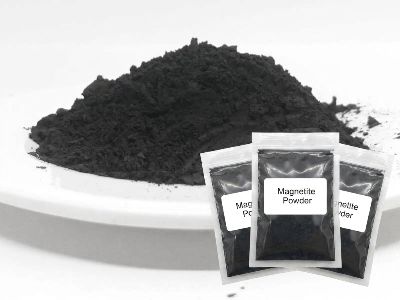
Designing efficient magnetic cores with high-permeability magnetic iron powder is a critical process in various industries, particularly in automotive, home appliances, and welding. These cores play an essential role in the performance and efficiency of electrical devices. As B2B buyers, understanding how to select the right magnetic iron powder, its specifications, and applications can significantly impact your product’s performance and reliability. This article aims to guide purchasing managers, engineers, and product managers through the crucial aspects of designing magnetic cores, enabling more informed purchasing decisions
How to Choose High-Permeability Magnetic Iron Powder for Your Needs
When selecting high-permeability magnetic iron powder, consider the specific requirements of your application, such as magnetic performance, density, and grain size. Start by evaluating the magnetic permeability required for your core design, as this directly influences the core's ability to conduct magnetic flux. Higher permeability materials can reduce core losses and improve efficiency in applications like transformers and inductors
Additionally, consider the powder's particle size distribution. Finer powders may provide better magnetic properties and allow for more efficient compaction, while coarser powders can sometimes be easier to handle but may not yield the same performance. Manufacturers like KPT offer various grades of magnetic iron powder tailored to different applications, ensuring you can find a suitable option for your specific needs
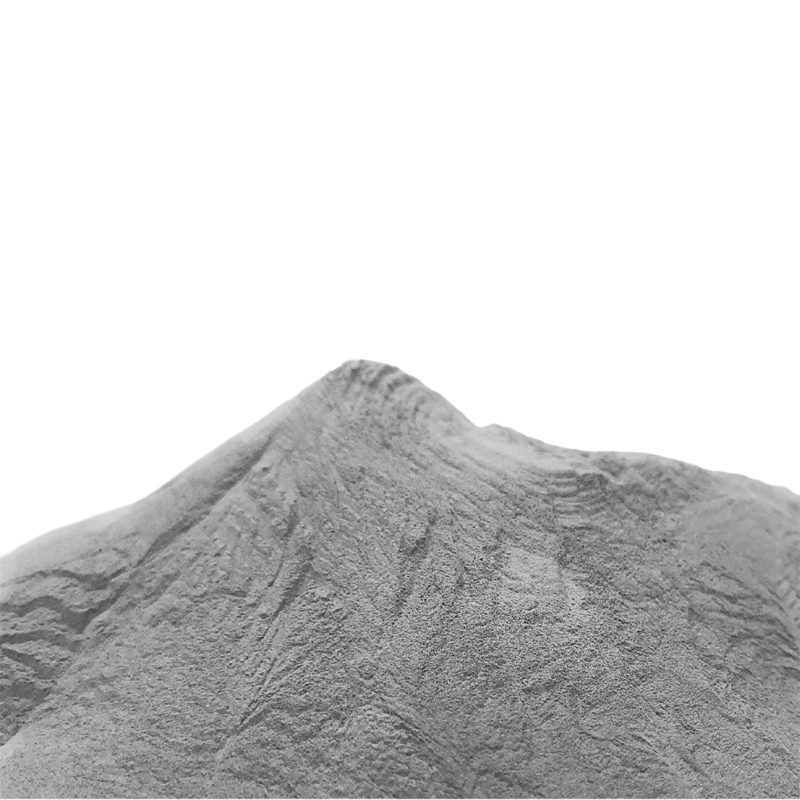
What to Look for in Magnetic Iron Powders
When assessing magnetic iron powders, several critical specifications should be taken into account
Magnetic Permeability: This is a measure of the material's ability to conduct magnetic lines of force. Higher permeability is generally desired for applications that require efficient energy transfer
Particle Size: The average particle size impacts both the magnetic properties and the powder's flow characteristics. Smaller particles can enhance density and magnetic performance but may require more careful handling during production
Density: The bulk density and tapped density of the powder affect the final core's weight and performance. Ensure that you choose a powder with the appropriate density for your design
Coercivity: This measures the material's ability to resist demagnetization. A lower coercivity is preferable for cores that need to maintain their magnetic properties under varying conditions
Purity: High-purity iron powders lead to better performance characteristics. Contaminants can adversely affect magnetic properties, so opt for powders with minimal impurities
By confirming these specifications with your supplier, you can ensure that the magnetic iron powders meet your application requirements
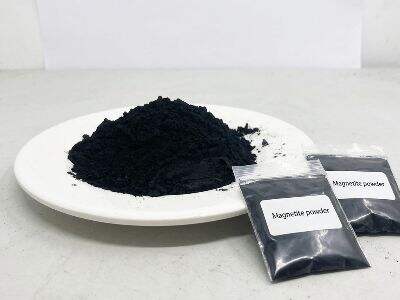
Applications of High-Permeability Magnetic Cores in Various Industries
High-permeability magnetic cores are utilized across multiple industries, each with unique requirements
Automotive: In electric vehicles, magnetic cores are essential for inductors and transformers, contributing to energy efficiency and performance. High-permeability materials help reduce energy losses in electric motors and power electronics
Home Appliances: Magnetic cores in appliances like refrigerators and washing machines help enhance efficiency by improving the performance of motors and transformers, leading to reduced energy consumption
Welding Equipment: Magnetic cores are critical for ensuring effective operation in welding transformers, where stable magnetic properties are necessary for consistent performance
Understanding the specific application requirements can help you select the right soft magnetic iron powder, optimizing the core design for maximum efficiency and reliability
Best Practices and Tips
To ensure successful design and manufacturing of magnetic cores using high-permeability magnetic iron powder, consider these best practices
Prototype Testing: Before finalizing your design, create prototypes using your selected magnetic powder. Test these prototypes under real operating conditions to evaluate performance
Sample Approval: Always request samples from your supplier to verify that the material meets your specifications. Assess properties such as permeability and density before proceeding to mass production
Quality Control: Implement a robust quality control process during manufacturing. Regularly check the powder's properties and the final core for consistency and performance
Customization: If your application has unique requirements, discuss customization options with your supplier. Manufacturers like KPT can often tailor their products to meet specific needs, ensuring optimal performance
Documentation: Maintain thorough documentation of material specifications, testing results, and quality checks. This can serve as a valuable reference for future projects and help in supplier evaluations
By following these practices, you can enhance the reliability and performance of your magnetic core designs
Advantages and Disadvantages
High-permeability magnetic iron powders come with several advantages and disadvantages that B2B buyers should be aware of:Advantages
Improved Efficiency: High permeability reduces core losses, enhancing the overall efficiency of electrical devices
Versatility: These powders can be tailored for various applications, making them suitable for a wide range of industries
Cost-Effectiveness: While high-permeability powders may have higher upfront costs, they can lead to long-term savings through improved energy efficiency and reduced operational costs
Disadvantages
Handling Challenges: Finer powders may pose handling and processing challenges during manufacturing, requiring specialized equipment
Cost: The initial investment in high-quality magnetic iron powder may be higher than lower-permeability alternatives, which can impact budget considerations
Understanding these factors will help you make informed decisions, balancing performance requirements with budget constraints
By focusing on these aspects, you can effectively navigate the complexities of designing efficient magnetic cores with high-permeability magnetic iron powder, ensuring optimal performance for your applications