
Steel fibers are small, thin pieces of steel that can be added to concrete to make it stronger and last longer. At KPT, we believe that using steel fibers in concrete is a smart choice for many construction projects. This is because steel fibers help the concrete resist cracking and breaking. When mixed into concrete, they create a strong bond that holds everything together. Imagine trying to break a cookie with nuts in it versus a plain cookie. The cookie with nuts is much tougher, just like concrete with steel fibers. This added strength makes buildings and roads safer and more durable over time.
Steel fibers play an important role in making concrete more durable and strong. When concrete dries, it can crack due to temperature changes or heavy loads. Steel fibers help to stop these cracks from spreading. They act like tiny reinforcements, holding everything together when the concrete is under stress. Think of it like a spider web. If you pull on one part of the web, the whole web feels it, but it doesn’t break easily. The same goes for steel fibers in concrete. They help share the stress and stop cracks from getting bigger. Moreover, using steel fibers can also make the concrete less likely to chip or wear down. This is very useful for things like roads and floors that see a lot of traffic. For instance, a parking lot made with steel-fiber-reinforced concrete can handle the weight of many cars without cracking. It also lasts longer, which means less need for repairs. In addition, steel fibers can help concrete resist water damage and freeze-thaw cycles. When water seeps into cracks and freezes, it can expand and cause even more damage. But with steel fibers, the concrete is tougher and can handle these issues better. This is why many builders choose to use steel fibers in their concrete mixes. They know it will make their projects last longer and perform better, which is something everyone wants!
Choosing the right steel fibers for concrete can seem tricky, but it doesn't have to be. At KPT, we recommend considering a few important factors. First, think about the type of project you are working on. For example, if you are making a driveway, you might want shorter fibers. But for a big industrial floor, longer fibers might work better. Each type of steel fiber has different lengths and shapes, which can affect how well they mix with the concrete and how strong the final product will be. Next, look at the amount of fibers you will add. Too few fibers won’t give you enough strength, while too many can make the concrete hard to work with. It’s like adding too much salt to food—you can ruin the taste! Following the manufacturer's recommendations is key. Also, consider the cost. Sometimes, cheaper fibers might not perform as well as higher-quality options. Investing in good steel fibers can save money in the long run by reducing repairs and extending the life of your concrete. For instance, using our High performance ZF Superfine Iron Powder Replacing Carbony Iron Powder can enhance strength and durability. Finally, always ask for samples and do some tests before making a final decision. This way, you can see how different fibers work with your specific mix. This careful planning can make a big difference in the success of your project and make sure it stands strong for years to come.
Using steel fibers in concrete can make it much stronger and more durable. When adding steel fibers, it’s important to follow some best practices to get the best results. First, you should know that steel fibers come in different sizes and shapes. Some are long, while others are short. The size you choose can change how the concrete behaves. For example, longer fibers can help with cracking and make the concrete last longer. It’s good to mix different lengths to get the best strength.
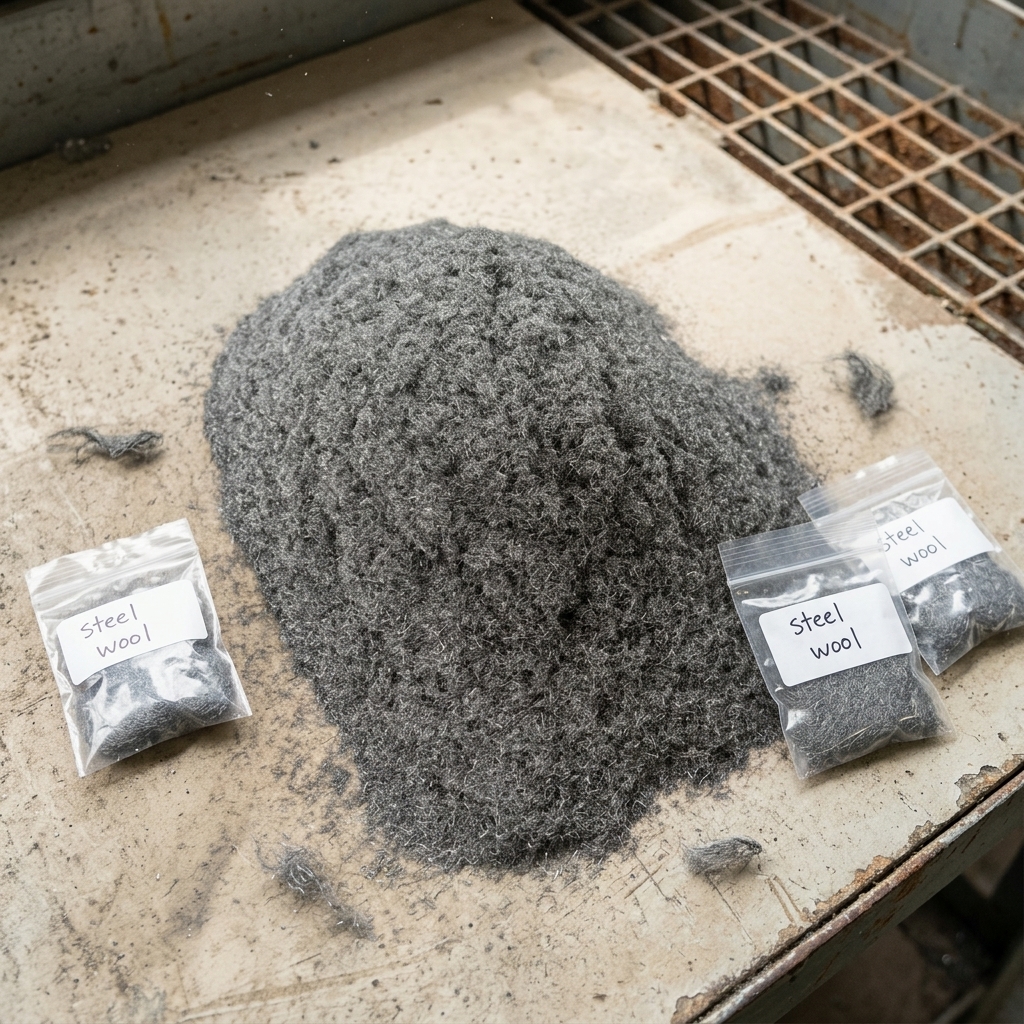
When mixing, it’s best to add the steel fibers after you have mixed the sand, gravel, and cement. This way, the fibers spread out evenly. You can use a mixer for this, but make sure it’s not overloaded. A good mix can help the fibers bond well with the concrete. After mixing, pour the concrete quickly. Don't let it sit for too long, or the fibers might settle at the bottom. Once you pour the concrete, use tools like a trowel to spread it evenly. After that, be sure to cure the concrete properly. Curing helps the concrete harden and helps the steel fibers do their job. At KPT, we focus on providing quality materials and tips to ensure your concrete projects are a success.
When looking for prices, remember to consider quality, too. Sometimes, cheaper fibers might not be as strong or durable. At KPT, we believe in offering great quality at fair prices. It’s important to balance quality and cost. You may also want to check if the supplier offers a guarantee or return policy. This can give you peace of mind in case the product doesn't meet your expectations. Always read reviews from other customers. They can help you find the best suppliers for steel fibers.
The world of construction is always changing, and steel fibers are no exception. Many new ideas and technologies are making steel fibers even better for concrete. One exciting trend is the development of smart fibers. These fibers can sense stress and temperature changes in the concrete. They help builders know when there might be a problem, like cracking or weakening. This technology can help prevent accidents and make structures safer. Additionally, using products like Very high bending strength above 800°C Replacing Carbony Iron Powder UHF-P Iron Powder can significantly enhance the overall performance of concrete.
Powder 3d printingbusiness is the manufacture of metal powders. offer a diverse range products including water atomized powders, sponge Iron, hydrogen reduced sponge powder with low apparent densities, high alloy powders, super fine powders, stainless steel, carbonyl powders well as copper powders.
have Powder metalservices for shipments and delivery. products are shipped into more than 30 countries across North America, South America, Asia, Europe have been praised by customers.We anticipate working with you become your reliable trustworthy supplier.
are accredited ISO9001, SGS and REACH. KPT a provincial powder metallurgy research center, has a an ongoing Powder 3d printingwith universities research institutions.We offer you single-stop service until satisfied.
annual capacity of KPT Company's production 200000 tons. Additionally, it has atomized powder as well as production lines sponge iron. It is currently the most extensive company, with the most complete, Metal powderadvanced production plant powder in China.
Copyright © Shanghai Knowhow Powder-Tech Co.,Ltd. All Rights Reserved - Privacy Policy