

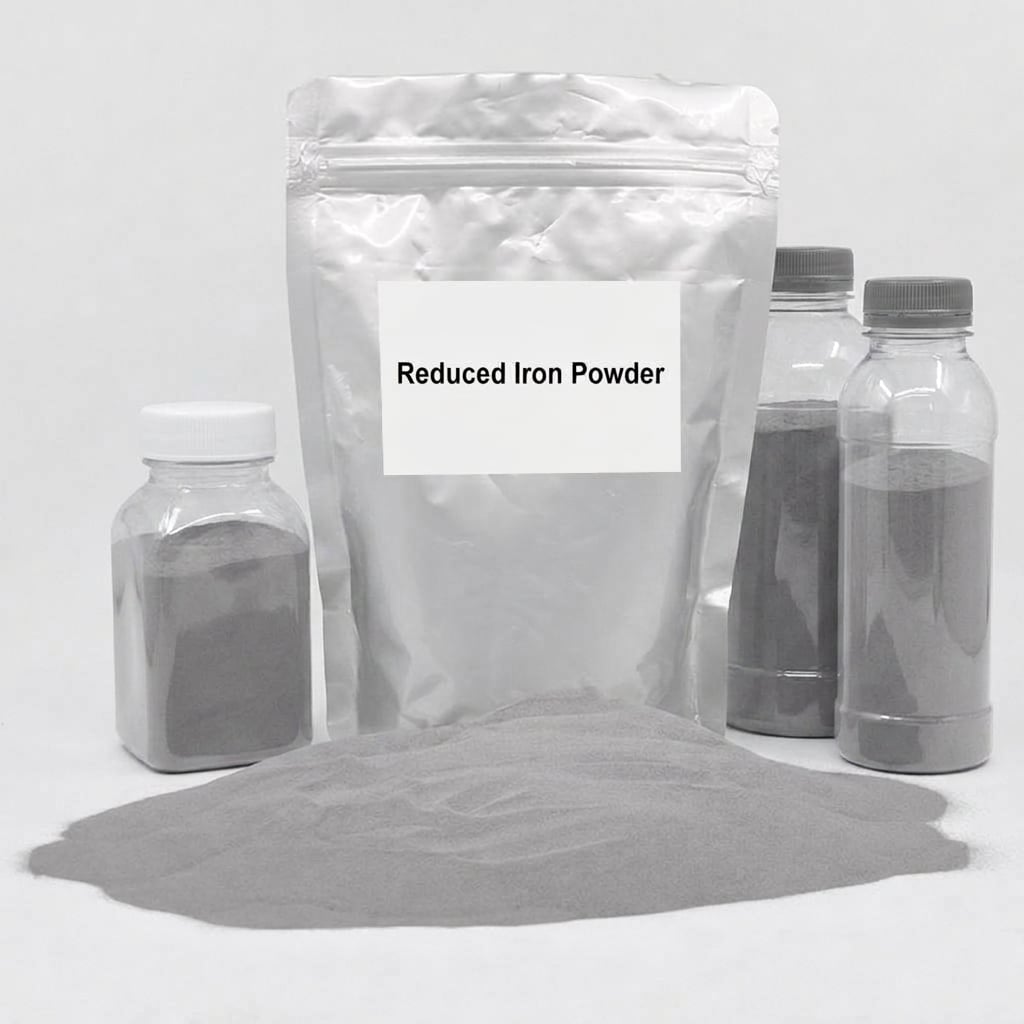
Selecting the Ideal Fe Powder Grade for Chemical Synthesis and Catalysis is crucial for ensuring optimal performance in various applications, including automotive, home appliances, and welding. B2B buyers often face concerns regarding product specifications, material suitability, and supplier reliability. This article will help you understand how to evaluate KPT copper powders grades effectively, ensuring that your selection aligns with your project requirements and industry standards.
How to Compare Fe Powder Grades for Optimal Catalysis Performance?
When selecting Fe powder grades for chemical synthesis and catalysis, it’s essential to consider several key factors that affect performance. The primary characteristics include particle size, morphology, and purity.
Particle Size: The specific surface area of the powder influences reaction rates. Finer powders typically provide greater surface area, enhancing reactivity, but may also lead to handling challenges such as agglomeration. Buyers must balance the need for reactivity with the practicalities of processing and storage.
Morphology: The shape of the particles can significantly impact their behavior in reactions. Spherical particles, for instance, tend to flow better and pack more efficiently, which may be advantageous in certain synthesis processes. In contrast, irregular shapes may provide better contact points for catalysis but can negatively affect flow properties.
Purity: Impurities can adversely affect catalytic activity and lead to unwanted side reactions. It is vital to verify the composition of the Fe powder, ensuring it meets specific purity requirements. Buyers should request detailed specifications and, if necessary, conduct independent testing to confirm the purity levels.
By focusing on these attributes, buyers can make informed decisions that align with their performance expectations.
Reliable Suppliers for Fe Powder Grades
Choosing a reliable supplier is critical for ensuring consistent quality and timely delivery of Fe powder grades. Here are some factors to consider when evaluating potential suppliers:
Certifications: Suppliers should have relevant certifications, such as ISO 9001, which indicates a commitment to quality management systems. This can provide buyers with confidence in the supplier's ability to deliver consistent products.
Manufacturing Capabilities: Investigate the supplier’s production processes and capacity. KPT, for example, has an annual production capacity of over 200,000 metric tons, ensuring that they can meet large-scale orders. Understanding a supplier's capabilities can help you gauge their reliability, especially during peak demand periods.
Customer Support: Effective communication is essential in B2B relationships. A supplier that provides robust customer support can help address any queries or issues that arise during the purchasing process, ensuring a smoother transaction overall.
Reputation and References: Check reviews and request references from other clients. A supplier with a proven track record in the industry is more likely to deliver high-quality products promptly.
By carefully vetting suppliers based on these criteria, you can enhance your chances of a successful procurement experience.
Ensuring Your Fe Powder Meets Industry Standards
Compliance with industry standards and regulations is non-negotiable when selecting Fe powder for chemical synthesis and catalysis. Here are key aspects to consider:
Regulatory Compliance: Ensure that the Fe powder adheres to relevant regulations in your industry, such as REACH in Europe or the Toxic Substances Control Act (TSCA) in the United States. Non-compliance can result in costly production delays or legal complications.
Quality Control Processes: Inquire about the supplier’s quality control measures. A reputable manufacturer will implement strict quality assurance protocols to monitor the production process, ensuring that the final product meets specified standards. This can include routine testing of particle size distribution, purity, and morphology.
Documentation: Suppliers should provide comprehensive documentation, including certificates of analysis (COA) and material safety data sheets (MSDS). These documents offer critical insights into the product's properties and safety information, enabling buyers to make informed decisions.
By ensuring compliance with industry standards, buyers can minimize risks and enhance the reliability of their KPT aluminium powder chemical processes.
Understanding Cost Factors When Purchasing Fe Powder in Bulk
When purchasing Fe powder in bulk, various cost factors come into play that can impact your overall budget. Key considerations include:
Material Costs: The price of raw materials can fluctuate based on market conditions. Suppliers may offer different grades of Fe powder at varying price points, depending on their purity and production methods. Understanding these differences can help buyers select the most cost-effective option that meets their quality requirements.
Volume Discounts: Bulk purchases often come with price breaks. Confirm the minimum order quantity (MOQ) with suppliers to take advantage of these discounts. However, ensure that your order volume aligns with your project's needs to avoid excess inventory.
Shipping and Handling: Shipping costs can significantly affect the overall price of your order. Consider logistics factors such as delivery location, packaging methods, and potential tariffs or duties for imported materials. Working with suppliers who have established logistics processes can help minimize these costs.
By comprehensively evaluating these cost factors, buyers can optimize their purchasing strategy and ensure they receive the best value for their investment.
Common Problems in Chemical Synthesis and Fe Powder Solutions
In the realm of chemical synthesis, several common problems can arise when using Fe powders, but proper selection and application can mitigate these issues:
Agglomeration: Fine Fe powders may agglomerate during storage or processing, impacting their performance. To address this, consider using additives that improve flowability or selecting a powder with an optimal particle size distribution that minimizes agglomeration tendencies.
Inconsistent Quality: Variability in powder quality can lead to inconsistent synthesis results. Establishing a long-term partnership with a reputable supplier, such as KPT, can help ensure that you receive consistent quality over time. Regular quality checks and sample approvals before fe powder mass production can further mitigate this issue.
Reaction Efficiency: Inefficient reactions can stem from inappropriate powder characteristics. Buyers should evaluate the specific requirements of their synthesis processes and choose Fe powder grades that align closely with those needs, such as particle size, morphology, and surface area.
By understanding these common challenges and implementing effective solutions, buyers can enhance the reliability and efficiency of their chemical synthesis processes.