

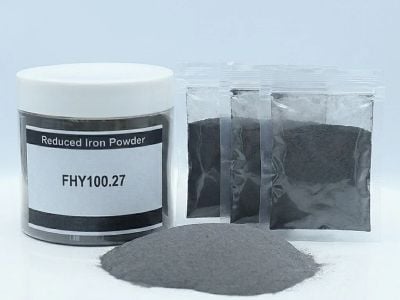
Water atomized iron powder is a crucial material in the manufacturing of modern sintered components, serving as a backbone for various applications across industries. As purchasing managers and engineers explore options for high-quality powder materials, understanding the specifications, quality control measures, and pricing factors becomes essential. This article will help professionals navigate the complexities of selecting water atomized iron powder, ensuring they make informed purchasing decisions that align with their production needs.
How to Choose Quality Water Atomized Iron Powder for Sintered Parts?
Selecting the right water atomized iron powder for sintered parts involves assessing several key factors. First, consider the chemical composition of the powder. It should meet the specific requirements of your application, including purity levels and the presence of alloying elements that can enhance properties like strength and corrosion resistance. Next, evaluate the particle size distribution. Fine powders can improve sintering density and mechanical properties, while coarser powders may be suitable for different applications. The morphology of the iron powder particles also plays a significant role; irregular particles can enhance packing density but may affect flowability. Additionally, you should verify the manufacturing process. KPT employs various atomization techniques, ensuring the production of high-quality powders that are consistent in performance. Engaging in discussions with suppliers about their atomization methods can provide insights into the expected quality and reliability of the final product.
Key Specifications of Water Atomized Iron Powder for Buyers
When evaluating water atomized iron powder, several specifications should be prioritized:
Particle Size: Typically measured in microns, the size can impact the sintering process and the final properties of the components. Common sizes range from 10 to 100 microns, with finer sizes generally enhancing mechanical properties.
Chemical Composition: The iron content should be as high as possible, often exceeding 99%. Understanding the presence of impurities and their allowable limits is crucial for applications requiring strict quality adherence.
Apparent Density: This affects the powder's flowability and packing behavior during the sintering process. Higher densities are often preferred in applications demanding tight tolerances.
Moisture Content: Low moisture levels are vital to prevent defects during sintering, affecting the mechanical properties of the final product of magnetic iron powder.
Spherical vs. Irregular Particle Shape: Spherical particles are generally preferred for their excellent flow properties and packing density, which can enhance the sintering process.
Confirming these specifications before placing orders ensures that the chosen powder aligns with your production requirements.
Comparing Water Atomized Iron Powder for Bulk Purchase Decisions
When making bulk purchase decisions for water atomized iron powder, several comparison factors can guide your evaluation:
Price per Metric Ton: Understand the pricing structure, as it can vary significantly based on factors such as the supplier's production capabilities, quality assurance processes, and shipping logistics. It’s important to compare prices alongside specifications to ensure you're receiving value.
Minimum Order Quantity (MOQ): Different suppliers may have varying MOQs, which can impact your purchasing strategy. Ensure that the MOQ aligns with your production needs to avoid excess inventory.
Lead Time: Discuss delivery timelines with suppliers, as longer lead times can impact project schedules. A reliable supplier should provide clear estimates based on their production capacity and current orders.
Quality Assurance Practices: Inquire about the supplier's quality control measures. A supplier that adheres to ISO 9001 standards, like KPT, demonstrates a commitment to consistent quality, which is crucial for maintaining production standards.
Conducting a thorough comparison based on these factors will help you identify the best supplier for your bulk purchasing needs.
Understanding the Cost Factors of Water Atomized Iron Powder
Understanding the cost factors associated with water atomized iron powder is vital for effective budgeting and procurement. The primary components influencing price include:
Raw Material Costs: Fluctuations in iron ore prices can directly impact the cost of producing iron powder. Staying informed about market trends can help anticipate price changes.
Production Techniques: The method of atomization plays a significant role in production efficiency and cost. Advanced techniques may yield higher quality powders but can also increase production costs.
Quality Control: The level of quality assurance implemented in the manufacturing process can influence pricing. Suppliers that invest in stringent testing and quality control measures may charge a premium but offer better performance and reliability.
Shipping and Logistics: Depending on your location and the supplier's shipping capabilities, transport costs can vary significantly. It’s beneficial to work with suppliers who can provide competitive shipping rates.
By understanding these cost factors, purchasing managers can negotiate better terms and make more informed purchasing decisions.
Evaluating the Quality Control of Water Atomized Iron Powder Products
Quality control is critical in ensuring that the water atomized iron powder meets the necessary specifications for your applications. Here are essential aspects to consider:
Certification and Testing: Ensure that the supplier has certifications such as ISO 9001, which indicates a commitment to quality management. Additionally, inquire about the testing methods used to verify particle size, composition, and other critical specifications.
Sample Approval: Before committing to a large order, request samples of the carbonyl iron powder for testing. Evaluate the samples under your specific production conditions to ensure compatibility and performance.
Traceability and Batch Control: A reliable supplier should maintain traceability for each batch of powder produced. This allows for tracking quality issues back to the source, enabling prompt resolution if problems arise.
Customer Feedback and Case Studies: Reviewing feedback from other buyers and case studies can provide valuable insights into the supplier’s quality performance and reliability.
By conducting a thorough evaluation of quality control processes, you can mitigate risks associated with subpar materials and ensure that your sintered components meet the highest standards.
Table of Contents
- How to Choose Quality Water Atomized Iron Powder for Sintered Parts?
- Key Specifications of Water Atomized Iron Powder for Buyers
- Comparing Water Atomized Iron Powder for Bulk Purchase Decisions
- Understanding the Cost Factors of Water Atomized Iron Powder
- Evaluating the Quality Control of Water Atomized Iron Powder Products