

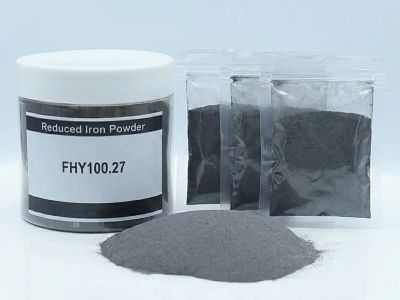
The Science Behind Sponge Iron Powder in Direct Reduction Ironmaking
Sponge iron powder is a critical material in the production of direct reduction iron (DRI), a key ingredient in steelmaking. Understanding the science behind sponge iron powder is essential for manufacturers and purchasing managers seeking to optimize their production processes and achieve high-quality outputs. This article will delve into the quality standards, specifications, and considerations for selecting sponge iron powder, providing valuable insights for B2B buyers focused on enhancing their ironmaking applications.
Understanding the Quality Standards of Sponge Iron Powder
The quality of sponge iron powder is determined by several critical factors that directly affect its performance in ironmaking. One primary standard is the level of iron content, which typically exceeds 90%. Higher iron content ensures better efficiency in DRI production, as it leads to a more effective reduction process. Additionally, impurities such as sulfur, phosphorus, and carbon must be carefully monitored. Excessive levels of these contaminants can adversely affect the mechanical properties of the final steel product. As a result, high-quality sponge iron powder should have low impurity levels, typically below 0.5% for sulfur and phosphorus combined. Quality control processes, including rigorous testing and certification (such as ISO 9001), are essential to ensure that sponge iron powder meets these standards. Buyers should inquire about the supplier's quality assurance measures to guarantee that the product adheres to industry specifications.
How to Choose the Right Sponge Iron Powder for Your Needs?
Selecting the appropriate sponge iron powder for specific applications involves understanding your production requirements and the characteristics of available products. A few key considerations include:
Purity Levels: Depending on the end application, buyers should confirm the necessary purity levels. For instance, applications requiring high-strength steel may necessitate powder with lower impurity levels.
Particle Size Distribution: Sponge carbonyl iron powder is available in various particle sizes, influencing its reactivity during the reduction process. Fine powders may provide higher reactivity, while coarser grades can be suitable for specific applications that require slower reaction rates.
Production Method: The method of production (e. g., gas-based or coal-based reduction) can impact the characteristics of the sponge iron powder. Understanding the production process helps buyers choose products that align with their specific manufacturing setups.
Engaging with a reliable supplier, like KPT, can provide insights into the most suitable products based on these criteria, ensuring optimal performance in your operations.
Key Specifications for Sponge Iron Powder in Ironmaking Applications
When evaluating sponge iron powder for DRI production, several specifications should be prioritized:
Iron Content: As previously mentioned, high iron content (above 90%) is crucial for effective reduction.
Moisture Content: Excess moisture can negatively impact the powder's performance. Generally, moisture content should be kept below 0.5% to ensure optimal storage and handling.
Flowability: The powder's flowability affects its handling and application in production processes. Buyers should assess flow characteristics to confirm compatibility with their equipment.
Chemical Composition: A detailed analysis of the chemical composition should be provided, indicating the levels of other elements like manganese, silicon, and aluminum, which may influence the properties of the final product.
These specifications are vital for ensuring the sponge iron powder meets the necessary performance standards for efficient DRI production.
Finding Reliable Suppliers of Sponge Iron Powder
Finding a dependable supplier of sponge iron powder is essential for maintaining consistent quality and supply. Here are several key factors to consider when evaluating potential suppliers:
Certification and Compliance: Ensure that the supplier holds relevant certifications, such as ISO 9001, which indicates adherence to international quality management standards.
Production Capacity: Assess the supplier's production capacity to meet your volume needs. KPT, with a production capacity exceeding 200,000 metric tons annually, can accommodate both large and small orders.
Reputation in the Industry: Research the supplier's reputation by seeking reviews and testimonials from previous customers. A supplier with a strong track record is often more reliable.
Technical Expertise: Choose a supplier that can provide technical support and guidance regarding product selection, ensuring you receive the most suitable sponge magnetic iron powder for your applications.
By conducting thorough research and establishing criteria for evaluation, buyers can secure partnerships with suppliers that offer quality products and dependable support.
Installation Guidelines for Efficient Use of Sponge Iron Powder
Proper installation and handling of sponge iron powder are crucial for maximizing efficiency during the reduction process. Here are some best practices:
Storage Conditions: Sponge iron powder should be stored in a dry, cool environment to prevent moisture absorption, which can lead to clumping and reduced flowability. Consider using airtight containers to safeguard against environmental factors.
Equipment Compatibility: Ensure that the equipment used in the reduction process is compatible with the particle size and flow characteristics of the sponge iron powder. Mismatches can lead to operational inefficiencies and increased wear on machinery.
Sampling and Testing: Prior to mass production, it is advisable to conduct trials using samples of sponge iron powder. Testing under actual operating conditions can identify potential issues and confirm product suitability.
Regular Maintenance: Implement a maintenance schedule for all equipment involved in the handling and processing of sponge iron powder. Regular inspections can prevent breakdowns and ensure consistent performance.
By adhering to these guidelines, manufacturers can enhance the effectiveness of sponge iron powder in their ironmaking applications, leading to improved product quality and operational efficiency. In summary, understanding the science behind sponge iron powder is essential for optimizing its use in direct reduction ironmaking. By focusing on quality standards, specifications, supplier selection, and proper installation practices, B2B buyers can make informed decisions that enhance their production processes and product outcomes.