

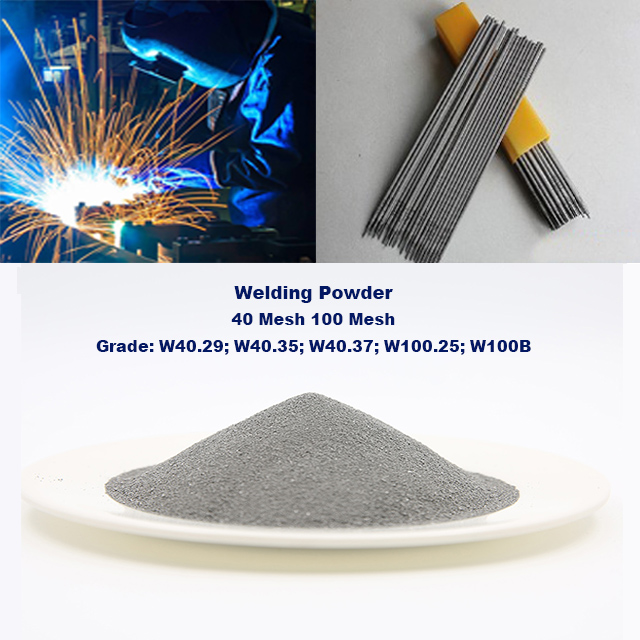
In heavy-duty fabrication, the choice of welding powder plays a crucial role in achieving high-quality results. Specifically, the right welding powder can effectively eliminate porosity, which is a common defect that compromises the integrity of welded joints. This article will explore how selecting the appropriate welding powder can address porosity issues, assist B2B buyers in choosing the best products for their projects, and highlight key specifications to consider. Additionally, we will discuss where to find reliable suppliers and address common problems associated with welding powder.
How the Right Welding Powder Reduces Porosity in Heavy-Duty Fabrication
Porosity in welded joints occurs when gas bubbles become trapped in the molten weld pool, leading to weak spots and reduced strength. The right welding powder can significantly reduce this risk by enhancing the fluidity of the weld pool, promoting better gas release during the welding process. Powders that contain specific additives, such as Deoxidizers, can help to stabilize the weld pool and improve arc stability, which in turn minimizes the formation of porosity.
For example, using atomized iron powders with controlled particle size can create a smoother welding arc and reduce turbulence, allowing gases to escape more easily. It is essential for manufacturers to select powders that match the specific requirements of their welding application, including the type of materials being joined and the welding technique employed.
Choosing the Best Welding Powder for Quality Fabrication Projects
Selecting the best welding powder involves understanding the specific requirements of your fabrication project. Factors such as the base material, welding technique, and desired mechanical properties should guide your choice. Powders derived from sponge iron or stainless steel can offer distinct advantages depending on the application.
For instance, when welding high-strength steels, a powder with a fine particle size distribution may provide better penetration and fusion, reducing the likelihood of porosity. On the other hand, for applications requiring corrosion resistance, stainless steel powders are preferable. Buyers should also consider the compatibility of the powder with their existing equipment and processes, as this can significantly influence performance and efficiency.
Key Specifications to Consider When Selecting Welding Powders
When evaluating welding powders, several key specifications must be taken into account:
Particle Size: The particle size affects the flowability and reactivity of the powder. Finer powders typically promote better arc stability and reduce porosity but may require adjustments in feeding systems.
Chemical Composition: The chemical makeup of the powder impacts its melting point, fluidity, and mechanical properties of the weld. Buyers should ensure that the composition aligns with the desired properties of the final product.
Moisture Content: Excess moisture in welding powder can lead to hydrogen porosity. Therefore, it is crucial to source powders with low moisture content and proper packaging to maintain quality.
Flowability: Powders should flow easily through feeding systems. Poor flow can lead to inconsistent feeding rates, affecting weld quality.
Certification: Ensure that the welding powder is ISO 9001 certified, which indicates adherence to quality management standards. This is particularly important for industries like automotive and aerospace, where precision is critical.
Evaluating these specifications will help buyers make informed decisions and ensure that the gas welding powder suits their specific fabrication requirements.
Where to Find Reliable Suppliers for Welding Powder in Bulk
Finding reliable suppliers for welding powder requires careful research and evaluation. Start by identifying manufacturers with a proven track record in producing high-quality products. Look for suppliers like KPT, known for their extensive experience and commitment to quality, as they specialize in producing various types of welding powders.
Trade shows and industry conferences can also provide opportunities to meet suppliers and see their products firsthand. Online marketplaces and industry-specific directories can be helpful in comparing different manufacturers. When contacting suppliers, request samples to assess the quality and compatibility of their products with your processes.
Additionally, consider evaluating suppliers based on their production capacity and lead times. Reliable suppliers should have the capability to fulfill bulk orders within a reasonable timeframe while maintaining quality standards.
Common Problems with Welding Powder and Effective Solutions
While welding powders are essential for high-quality fabrication, they can pose challenges if not handled properly. Common problems include:
Contamination: Welding powder can become contaminated during storage or transportation, leading to defects in the weld. To mitigate this, ensure that powders are stored in clean, dry environments and use airtight packaging.
Inconsistent Quality: Variations in powder quality can lead to inconsistent welds. Regular quality control checks and sourcing from reputable manufacturers can help prevent this issue.
Poor Compatibility: Some powders may not be compatible with specific welding machines or techniques, leading to issues like poor arc stability or excessive spatter. Buyers should verify compatibility with their equipment before purchasing.
Moisture Absorption: As mentioned earlier, moisture can lead to hydrogen porosity. To combat this, choose powders with low moisture content and consider using desiccants in storage areas.
By being aware of these common problems and implementing effective solutions, manufacturers can avoid costly errors and ensure the integrity of their welded products.
selecting the right welding powder metal is crucial for eliminating porosity in heavy-duty fabrication. By considering key specifications, choosing reliable suppliers, and being aware of potential issues, B2B buyers can make informed decisions that lead to high-quality fabrication outcomes.
Table of Contents
- How the Right Welding Powder Reduces Porosity in Heavy-Duty Fabrication
- Choosing the Best Welding Powder for Quality Fabrication Projects
- Key Specifications to Consider When Selecting Welding Powders
- Where to Find Reliable Suppliers for Welding Powder in Bulk
- Common Problems with Welding Powder and Effective Solutions