

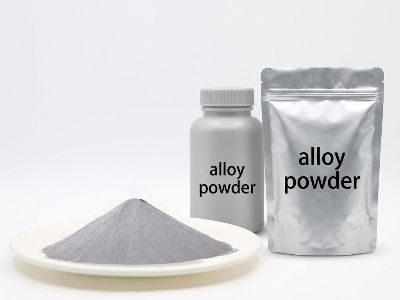
Water atomization and gas atomization are two ways to make metal powders. Both methods are used in industries to create materials for making parts, tools, and other products. At KPT, we care a lot about the quality of our metal powder. This is important because the purity of the metal powder affects how strong and durable the final product will be. Each method has its own strengths, but many experts believe water atomization gives better results when it comes to purity.
How Water Atomization Ensures Superior Quality in Metal Powder Production?
Water atomization is a process where molten metal is turned into tiny droplets by spraying it with water. This quick cooling helps form small particles. The water used is very pure, which means it doesn't add any unwanted materials to the metal powder. This is a big advantage because impurities can weaken the metal. For example, if the water has dust or chemicals in it, those could mix with the metal and create weak spots. KPT uses high-quality water to ensure that our powders are as clean as possible. The speed of cooling also helps create a more uniform particle size. When atomized metal powder particles are similar in size, they can fit together better, leading to stronger final products. This is important for companies that need to make strong and reliable components, like in the automotive or aerospace industries.
In contrast, gas atomization uses gas, usually argon, to cool the molten metal. While this method can produce fine powders, it may not be as effective in removing impurities. The gas can also sometimes react with the metal, which could change the properties of the powder. Water atomization's use of pure water reduces the chance of any unwanted reactions. When KPT produces metal powders, our water atomization method helps ensure a high level of purity, giving our customers confidence in the quality of our products.
Which Method Yields Cleaner Powders?
When it comes to creating cleaner metal powders, water atomization often takes the lead. The process is designed to minimize contamination. With water atomization, the water cools the metal quickly, capturing any impurities before they can mix with the metal. This method helps to keep the metal's properties intact, which is crucial for making strong and durable parts. At KPT, we have seen how using water can lead to cleaner powders compared to gas atomization.
Gas atomization does have its benefits, like being able to create very fine particles. However, the risk of contamination is higher. The gases used can introduce elements that may not be desired in the final product. The high temperatures involved can also make it easier for impurities to become part of the powder. Therefore, while gas atomization is a useful process, it may not always yield the cleanest powders.
In summary, for companies looking for high-quality metal powders, water atomization is often the better choice. It provides cleaner, purer materials, which is something KPT focuses on. Whether you are making small components or larger parts, the purity of the industrial metal powder plays a big role in the quality of the final product. Choosing the right method can make all the difference in the manufacturing process.
Water vs. Gas Atomization Explained
When we talk about making metal powders, we often hear about two main ways: water atomization and gas atomization. Both methods are used to break down molten metal into tiny particles, but they do it in different ways. Water atomization uses water to cool and break the hot metal. Here’s how it works: first, molten metal is poured into a special machine. This machine sprays the hot metal into water. The water is very cold, and when the hot metal hits the water, it cools down quickly. This quick cooling turns the metal into small droplets, which then become tiny metal particles as they solidify. This method is great for making larger amounts of metal powder quickly.
On the other hand, gas atomization uses gas, like air or nitrogen, instead of water. In this process, molten metal is also poured into a machine. But instead of being sprayed into water, it is sprayed into a stream of gas. The gas is blown at high speed, which helps break the metal into very small pieces. Because gas can be controlled better than water, this method often creates metal powders that are more pure and have a better shape. The gas atomization process is usually slower and takes more time, but it results in metal powders that are often more consistent in size and quality. This is important for companies like KPT, which focus on high-quality metal powders.
How to Choose Between Water and Gas Atomization for Your Metal Powder Needs?
Choosing between water and gas atomization depends on what you need the metal powder for. If you need a lot of metal powder quickly and at a lower cost, water atomization might be the best choice. This method is usually cheaper because it can produce a large amount of metal powder in a short time. Water atomization is good for applications where the exact shape and size of the metal particles are not very important. For instance, if you are making parts that don’t need to be super precise, water atomization can give you good results without spending too much money.
However, if you need very high-quality metal powders that are pure and have specific shapes, gas atomization is the way to go. This method is often more expensive, but it produces metal powders that have a much finer quality. For companies like KPT, which focus on creating high-performance metal powders, gas atomization is often the better choice. This method is especially important for industries like aerospace or medical devices, where the quality of the metal is very important. It's crucial to think about what you need the metal powder for before choosing a method. Always consider the cost, the amount of powder needed, and the quality required for your specific application.
Understanding Atomization Methods for Maximum Purity
To get the best metal powders, it’s important to understand how atomization methods affect purity. Purity means how clean the metal powder is, without any unwanted materials mixed in. Water atomization can sometimes introduce impurities because the water can carry tiny particles from the environment. If the water is not clean, it can affect the quality of the metal powder. This is something to think about if you choose this method.
Gas atomization, however, is better for getting super clean metal powders. The gas used in this process can be controlled more easily, which helps keep the metal powder pure. Since gas doesn’t introduce water or other unwanted materials, the final product is often of higher quality. For KPT, ensuring that the metal powders are as pure as possible is a top priority. They know that high purity means better performance in the final products made from these powders. Understanding these methods helps businesses make better choices about which type of atomization to use. By knowing the differences and how they affect purity, companies can choose the best method for their needs and ensure they get the best metal powders available.